

Jawbone loss can have a significant impact on your oral health, appearance, and overall well-being. It’s a condition that often progresses silently, so you may not notice it until more serious complications arise. Understanding the causes of jawbone loss, how it develops, and the treatment options available will help you take the right steps to preserve your dental health.
What Is Jawbone Loss?
Jawbone loss refers to the deterioration of the jawbone tissue. Your jawbone supports your teeth and gives structure to your face. When the bone weakens, it can lead to various dental issues, such as loose teeth, gum disease, or even a change in the shape of your face.
Without intervention, this condition may progress to the point where it becomes difficult to chew, speak, or even maintain your natural teeth. That’s why it’s important to catch it early and explore treatment options.
Causes of Jawbone Loss
Several factors can contribute to the gradual loss of jawbone density, and it’s important to be aware of the symptoms. The most common causes include:
- Tooth Loss or Extraction: One of the main reasons for jawbone loss is the absence of teeth. When you lose a tooth, whether due to injury or extraction, the area of the jaw that once supported the tooth root no longer receives the stimulation it needs. Over time, this lack of stimulation causes the bone to deteriorate.
- Periodontal (Gum) Disease: Chronic periodontal disease is another major cause of jawbone loss. This infection of the gums destroys the tissue and bone that hold your teeth in place. Left untreated, gum disease can progress from gingivitis to periodontitis, resulting in tooth loss and significant jawbone deterioration.
- Dentures and Bridges: While traditional dentures and dental bridges serve as replacements for missing teeth, they don’t stimulate the jawbone the way natural teeth do. Traditional dentures rest on top of the gums, without engaging the underlying bone. Over time, this can lead to bone loss in the areas where the natural teeth once were.
- Misalignment or Poor Bite: If your teeth don’t align properly, it can lead to an uneven distribution of pressure when you chew or bite. This added stress can cause certain parts of your jawbone to weaken over time, leading to bone loss in those areas.
- Trauma or Injury: A jaw injury or trauma, especially when it results in the loss of a tooth, can disrupt the normal function of your jawbone. The absence of stimulation from the missing tooth or prolonged healing can cause the bone to deteriorate in the affected area.
- Osteoporosis: Osteoporosis is a condition that weakens bones throughout your body, including your jawbone. If you have osteoporosis, you’re more prone to experiencing jawbone loss because your bones are already less dense than they should be.
Treatment Options for Jawbone Loss
If you’re dealing with jawbone loss, the good news is that several treatments are available to stop or even reverse the condition. The right option for you will depend on the cause and extent of the bone loss.
- Bone Grafting: Bone grafting is one of the most common treatments for jawbone loss. In this procedure, a surgeon takes bone material from another part of your body or uses a synthetic substitute to rebuild and strengthen the weakened areas of your jaw. This treatment is often necessary before placing dental implants to ensure the bone can adequately support them.
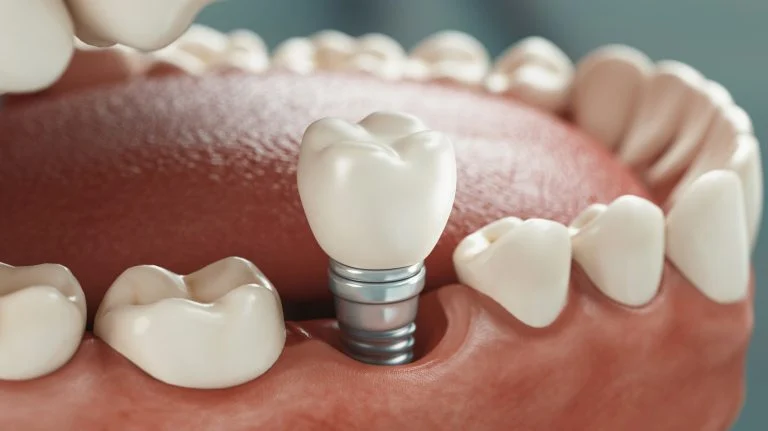
- Dental Implants: Dental implants are an excellent solution for tooth loss and help stimulate the jawbone. Unlike traditional dentures, which rest on the gums, implants are anchored into the jawbone, mimicking the role of natural tooth roots. This stimulation can help prevent further bone loss and, in some cases, promote bone regeneration.
- Periodontal Therapy: If gum disease is the underlying cause of your jawbone loss, periodontal therapy may be necessary to control the infection. Treatments like scaling and root planing, laser therapy, and guided tissue regeneration can help restore gum health and slow the progression of bone loss.
- Osteoporosis Treatment: If osteoporosis is contributing to your jawbone deterioration, your doctor may recommend medications or lifestyle changes to strengthen your bones. Bisphosphonates, calcium, and vitamin D supplements can help slow bone loss throughout your body, including your jaw.
Take Action Against Jawbone Loss
Jawbone loss is a serious condition, but the good news is that it’s treatable. By addressing the root causes and exploring treatment options, you can protect your oral health and maintain a strong, functional jawbone.
If you’re experiencing any symptoms of jawbone loss or are concerned about your risk, don’t hesitate to speak with your dentist. Taking proactive steps now can save you from more complicated treatments down the road and preserve your beautiful smile.