

You finally got your braces off and enjoyed years of straight teeth. Then one day you notice a small gap or a twisted tooth that wasn’t there before.
This frustrating experience is called orthodontic relapse, and it happens to many people even when they follow all their orthodontist’s instructions.
Teeth shift after braces because your mouth is always changing, with gum fibers that have “memory” pulling teeth back, natural aging processes, and daily forces from chewing and talking that continue throughout your life.
The tissue around your teeth never fully locks them in place. Your teeth sit in living bone and soft tissue that responds to pressure and movement every single day.
Understanding why teeth shift after orthodontic treatment helps you protect your smile investment. The good news is that minor shifting can often be fixed without getting full braces again.
Knowing the warning signs and taking quick action makes a big difference in keeping your teeth straight for life.
Key Takeaways
- Teeth shift because of elastic fibers in your gums that pull them back and natural changes in your jaw over time
- Wearing your retainer as directed is the most important step to prevent your teeth from moving after treatment
- Small shifts can usually be fixed with active retainers or short aligner treatments instead of full braces
Table of Content
- The Science Behind Post-Treatment Teeth Shifting
- Why Teeth Shift: Key Contributing Factors
- The Critical Role of Retainers and Retention Strategies
- Common Signs of Shifting and When to Take Action
- Solutions for Managing and Correcting Relapse
- Prevention and Long-Term Care Tips
- Frequently Asked Questions
The Science Behind Post-Treatment Teeth Shifting
Teeth shift after braces because of biological processes involving your gums, ligaments, and jawbone.
The fibers that hold your teeth in place have a natural tendency to pull them back to their original positions, while your bone takes months or years to fully stabilize around newly aligned teeth.
Understanding Orthodontic Relapse and Elastic Memory
Orthodontic relapse happens when your teeth gradually move back toward their original positions after treatment ends. This isn’t a sign that your braces failed. It’s a natural biological response.
Your gums contain fibers called supracrestal fibers that act like tiny rubber bands. When braces move your teeth, these fibers stretch to accommodate the new position.
They have what dentists call elastic memory, which means they want to return to their original shape.
These stretched fibers can pull on your teeth for a year or more after your braces come off. The pulling force is strongest in the first few months after treatment.
This is why rotated teeth often try to twist back if you don’t wear your retainer consistently.
How Teeth Move: The Role of the Periodontal Ligament
Your teeth aren’t directly attached to your jawbone. They’re held in place by the periodontal ligament, a cushion of tissue that sits between your tooth roots and the bone socket.
This ligament allows your teeth to move throughout your life. It contains:
- Collagen fibers that connect your tooth to bone
- Blood vessels that supply nutrients
- Nerve endings that sense pressure
- Cells that rebuild and break down bone
When you chew, talk, or grind your teeth, the periodontal ligament absorbs these forces. But it also means your teeth can shift in response to everyday pressures from your tongue, lips, and jaw muscles.
The ligament never loses its ability to allow movement, which is why teeth can shift even years after treatment.
Bone Remodeling After Orthodontic Treatment
When braces move your teeth, your jawbone goes through a process called bone remodeling. Special cells called osteoclasts break down bone on one side of the tooth while osteoblasts build new bone on the other side.
This process doesn’t stop when your braces come off. Your bone needs months to fully harden around your teeth in their new positions. During this time, your teeth are more vulnerable to shifting.
The bone remodeling continues for 6 to 12 months after treatment. Even after this period, your bone keeps changing throughout your life due to aging, jaw growth, and daily forces on your teeth.
This ongoing change is why orthodontists recommend lifelong retainer wear to maintain your results.
Schedule a consultation to fix minor shifting before it becomes a bigger issue.
Why Teeth Shift: Key Contributing Factors
Several biological and behavioral factors work together to move teeth over time. Your jaw structure changes as you age, daily pressure from chewing and grinding adds up, and breathing patterns affect how your mouth develops.

Natural Aging and Jaw Changes
Your jaw doesn’t stop changing after orthodontic treatment ends. As you get older, your dental arches gradually narrow and your bone density shifts.
These age-related changes in the jaw happen slowly over many years. The lower front teeth are especially vulnerable because the bone in this area is thinner than other parts of your mouth.
This explains why lower incisor crowding often appears or worsens in adulthood.
Your facial muscles and soft tissue also change with age. These shifts affect how your teeth fit together, even if your bite was perfectly aligned after braces.
The supporting structures around your teeth constantly adapt to new pressures throughout your life.
Daily Bite Forces and Bruxism
Every time you chew, swallow, or clench your jaw, you place pressure on your teeth. Over months and years, these repeated forces can gradually push teeth out of position.
Bruxism causes significant tooth movement because grinding and clenching create intense pressure. Many people grind their teeth at night without knowing it.
This habit can push teeth forward, accelerate enamel wear, and stress the ligaments holding teeth in place.
Bite changes from dental work also play a role. New crowns, fillings, or missing teeth that aren’t replaced can alter how pressure distributes across your mouth. Your teeth naturally shift to adapt to these new forces.
Mouth Breathing and Oral Habits
How you breathe affects your tooth alignment more than most people realize. Mouth breathing changes the position of your tongue, which normally rests against the roof of your mouth and helps support your dental arch.
When you breathe through your mouth instead of your nose, your tongue drops to a lower position. This removes the natural support that keeps your upper teeth properly aligned.
Over time, this can lead to narrowing of the upper arch and increased crowding.
Other habits like tongue thrusting or thumb sucking in childhood can have lasting effects. Even small habits like resting your chin on your hand frequently can apply enough pressure to gradually shift teeth.
Contact us to learn how to prevent teeth shifting after braces and maintain long-term alignment.
The Critical Role of Retainers and Retention Strategies
Retainers do the essential work of holding your teeth in their new positions after treatment ends. The type of retainer you use and how consistently you wear it directly impacts whether your teeth stay aligned or gradually shift back.
Wearing Retainers Correctly and Consistently
Your teeth need time to stabilize in their corrected positions, which is why consistent retainer wear is so important. After orthodontic treatment, the bone and gums need time to stabilize around the new tooth positions.
Most orthodontists recommend wearing your retainer full-time for the first few months after treatment. This typically means 22 hours per day, removing it only for eating and cleaning.
After this initial period, you’ll usually transition to nighttime wear. Your orthodontist will give you specific instructions based on your individual case.
Skipping nights or inconsistent wear can allow your teeth to shift, even slightly, making your retainer feel tight or uncomfortable when you put it back in.
Types of Retainers: Bonded, Hawley, and Clear Retainers
You have three main retainer options, each with distinct advantages. Clear retainers are made from transparent plastic that fits over your teeth like a thin shell.
They’re nearly invisible and comfortable but can wear out over time and need replacement.
Hawley retainers feature a metal wire across the front of your teeth with an acrylic piece that rests against the roof of your mouth or behind your lower teeth. They’re durable and adjustable, though more noticeable than clear options.
Bonded retainers consist of a thin wire cemented to the back of your front teeth. They work 24/7 since you can’t remove them, which eliminates compliance issues.
However, they require careful cleaning around the wire and occasional repairs if the bonding breaks.
Lifelong and Long-Term Retention
The reality is that retention is necessary to preserve the final alignment and occlusion regardless of your age or treatment type.
Many orthodontists now recommend lifetime retention because teeth can shift at any age due to normal activities like chewing, talking, and the natural aging process.
Long-term retention helps prevent relapse and ensures lasting results, which is why regular check-ups with your orthodontist remain important even years after treatment.
These visits allow your orthodontist to monitor stability and address any concerns before significant shifting occurs.
Thinking of retainers as a permanent part of your oral care routine protects the investment you made in your smile.
Common Signs of Shifting and When to Take Action
Catching tooth movement early makes correction easier and less expensive. Signs of post-treatment shifting include crowding, spacing, bite changes, or tooth rotation that you may notice when looking in the mirror or when your retainer feels tight.

Recognizing Tooth Movement Early
Your retainer fit is often the first warning sign. If your retainer feels tight or uncomfortable after wearing it consistently, your teeth have likely started to shift.
You should never force a tight retainer onto your teeth, as this can cause damage.
Visual changes are another clear indicator. Look for gaps appearing between teeth that were previously closed, or notice if teeth that were straight now appear slightly rotated or tilted.
Your smile line may look different than it did right after treatment ended.
Contact points between teeth can also change. If you suddenly have food getting stuck where it didn’t before, or if flossing feels different in certain areas, this suggests movement.
Even small changes in how your teeth touch each other matter.
Bite Discomfort and Lower Incisor Crowding
Lower incisor crowding is one of the most common areas where you will notice relapse first. Your bottom front teeth may overlap slightly or appear less aligned than they did right after your braces came off.
This area is naturally prone to crowding as you age.
Bite changes can show up as discomfort when chewing or a feeling that your teeth don’t fit together the same way. You might notice that your back teeth touch differently, or that your jaw feels off when you close your mouth.
Some people experience clicking or tension in their jaw joints.
If you notice any of these signs, book your orthodontist consultation promptly. Early intervention often requires only minor correction, while waiting can mean more extensive treatment later.
Solutions for Managing and Correcting Relapse
If your teeth have shifted after treatment, you have several options to restore your smile. Short-term aligner therapy and limited retreatment can often fix minor crowding without starting from scratch.
Short-Term Aligner Therapy and Retreatment Options
When your teeth shift slightly, you don’t always need full braces again. Many orthodontists use limited clear aligners to correct minor relapse, which typically takes 3 to 6 months instead of a year or more.
Active retainers are another solution. These modified retainers include built-in springs or pressure points that gently push specific teeth back into place. They work well for small movements like a slightly twisted tooth or a minor gap.
Your orthodontist might recommend:
- Spring aligners for targeted tooth movement
- Short series of clear aligners using 3D digital impressions
- Active retainers with pressure components
These options are faster and more affordable than complete orthodontic retreatment. The key is catching the shift early before it becomes severe.
When to Consider Clear Aligners or Braces Again
You might need full orthodontic retreatment if your teeth have shifted significantly. This typically means multiple teeth are crowded, rotated, or your bite has changed.
Retreatment with braces or aligners becomes necessary when limited therapy can’t address the extent of movement. If you can’t fit your old retainer at all or you see major crowding in multiple areas, full treatment may be your best option.
Signs you need complete retreatment:
- Severe crowding in multiple teeth
- Bite problems or jaw discomfort
- Large gaps that have reopened
- Multiple rotated teeth
Your orthodontist will use 3D imaging to assess the situation and recommend the most efficient path forward.
Restoring Alignment: What to Expect
The process starts with a consultation where your orthodontist examines how much your teeth have moved. They’ll take digital scans or impressions to create a treatment plan tailored to your current situation.
For minor shifts, you might only need to wear aligners for a few months at night. More significant relapse could require 6 to 12 months of treatment.
The good news is that retreatment is usually faster than your original treatment because your teeth have already been moved once.
After restoring alignment, you’ll receive new retainers. This time, wearing them as directed is essential to prevent another relapse. Many orthodontists recommend lifelong nighttime retainer wear to keep your smile straight permanently.
Prevention and Long-Term Care Tips
Protecting your orthodontic results requires consistent daily habits and professional support. Your teeth stay in place when you combine proper retainer use, healthy gums, and smart lifestyle choices.
Maintaining Oral Health and Gum Support
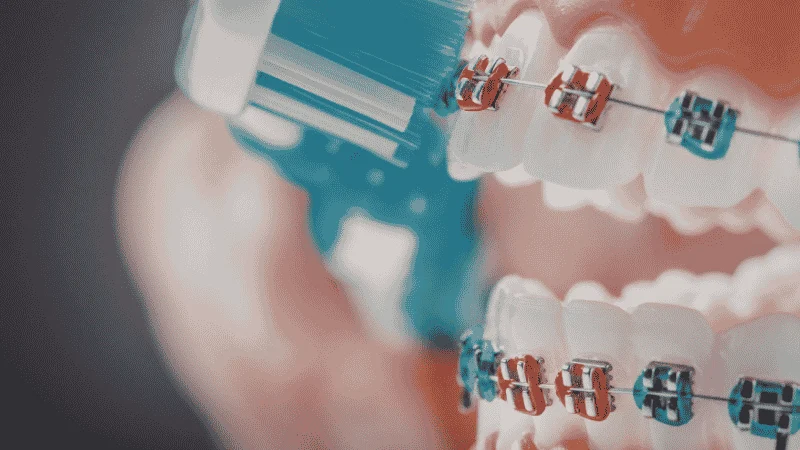
Your gums and the bone around your teeth create the foundation that keeps everything stable. When you develop gum disease, the supporting structures weaken and teeth can shift regardless of retention efforts.
Essential daily care includes:
- Brushing twice daily for two minutes
- Flossing between all teeth once per day
- Using fluoride toothpaste to strengthen enamel
- Cleaning your retainers with
Frequently Asked Questions
Teeth can shift because of the elastic memory in gum fibers, natural aging changes in your jaw, and inconsistent retainer wear. Understanding these factors helps you protect your smile for the long term.
Why do teeth sometimes move back after braces or aligners are finished?
Your teeth move back because of something called elastic memory in the periodontal ligament. This ligament acts like tiny rubber bands that connect your teeth to your gums and jawbone.
When braces or aligners straighten your teeth, these fibers get stretched into new positions. They try to pull your teeth back to where they used to be for about a year or more after treatment ends.
The elastic memory of periodontal fibers is one of the main reasons teeth shift after orthodontic treatment. The bone around your teeth also needs time to fully harden in the new position.
Can teeth still shift years after orthodontic treatment, and why does that happen?
Yes, your teeth can shift even years after you finish treatment. This happens because your mouth keeps changing throughout your life.
Your jaw can experience subtle growth or remodeling changes as you age. The lower jaw especially can create inward pressure on your front teeth, which leads to crowding.
Your periodontal ligament never loses its ability to move teeth. That’s why teeth shifting over time is normal, even decades after braces come off.
What role do retainers play in keeping teeth from shifting over time?
Retainers hold your teeth in place while the bone around them fully stabilizes. This process takes about 12 to 18 months after your braces come off.
Custom retainers apply steady pressure to keep your teeth from drifting back. They give the soft tissues time to reorganize and the bone time to fully harden around the new tooth positions.
Without retainers, your teeth will almost certainly shift. The fibers in your gums remember where your teeth used to be and will pull them back toward those old positions.
How long should I wear my retainer to help prevent teeth from moving again?
You should wear your retainer for life to keep your teeth straight. Most orthodontists recommend wearing it every night indefinitely.
The first few months after treatment are the most critical. You’ll usually need to wear your retainer full-time during this period.
After that initial phase, you can typically switch to nighttime-only wear. Long-term or indefinite retainer use helps combat relapse and maintain straight teeth.
What habits (like clenching, grinding, or tongue thrusting) can cause teeth to shift after treatment?
Teeth grinding and clenching put extra pressure on your teeth that can push them out of alignment. These habits often happen at night while you sleep.
Tongue thrusting means pushing your tongue against your teeth when you swallow. This constant pressure can gradually move your front teeth forward over time.
Other habits that cause shifting include leaning your face on your hand, sleeping on your stomach, and mouth breathing. Even small repeated pressures can move your teeth over months and years.
When should I see an orthodontist if I notice my teeth starting to move again?
You should schedule an appointment as soon as you notice any movement. Early intervention with active retainers or short-term aligners is faster and more affordable than waiting.
Don’t try to force an old retainer onto shifted teeth. This can damage your gums and the retainer itself.
If you’ve stopped wearing your retainer and notice gaps reopening or teeth twisting, contact your orthodontist right away. Minor relapse caught early often doesn’t require full braces again.