


As a parent, you do everything you can to protect your child’s health, and that includes their smile. But one issue that often catches families off guard is baby bottle tooth decay. It might seem like baby teeth are temporary and less important, but they play a major role in your child’s development. Understanding how tooth decay starts and how to prevent it can set the stage for a lifetime of healthy habits.
What Is Baby Bottle Tooth Decay?
Baby bottle tooth decay, also known as early childhood caries, occurs when a young child’s teeth are exposed to sugary liquids for long periods. It’s most common in the upper front teeth, but it can affect others too. This condition often begins when babies are routinely put to bed with a bottle of milk, formula, juice, or any sweetened drink.
The sugars in these liquids cling to your child’s teeth. While they sleep, bacteria in their mouth feed on the sugars and produce acids that wear away the enamel. Since baby teeth have thinner enamel than adult teeth, they’re more vulnerable to rapid decay.
Why Baby Teeth Matter
Even though baby teeth will eventually fall out, they serve many important functions. They help your child chew properly, learn to speak clearly, and maintain space for permanent teeth. If baby teeth are lost too early due to decay, it can lead to issues with alignment, speech development, and self-confidence.
Treating cavities in baby teeth can also be difficult for very young children, making prevention especially important. Protecting those first teeth lays the foundation for strong oral health as your child grows.
Recognizing the Signs of Decay
It’s not always easy to spot early tooth decay, especially in little mouths. But the earlier it’s detected, the easier it is to manage. Watch for these early warning signs:
- White spots or lines near the gum line
- Brown or black spots on the teeth
- Sensitivity or discomfort when eating
- Swelling or redness in the gums
If you notice any of these symptoms, it’s best to schedule a dental visit right away. Your child’s dentist can assess the situation and help guide you toward the right treatment or preventive care.
How to Prevent Baby Bottle Tooth Decay
Good oral hygiene starts earlier than you might think. From the time your baby’s first tooth appears, you can take steps to prevent decay and protect their growing smile.
Here’s how to get started:
- Wipe your baby’s gums with a clean, damp cloth after feedings, even before teeth appear.
- Brush their teeth twice a day with a small, soft-bristled brush and a smear of fluoride toothpaste (about the size of a grain of rice).
- Avoid putting your child to bed with a bottle. Use only water if a bedtime bottle is necessary.
- Don’t dip pacifiers in honey, sugar, or juice.
- Begin regular dental visits by your child’s first birthday.
These simple steps go a long way in reducing harmful bacteria and keeping your child’s teeth strong from the start.
Setting Healthy Habits Early
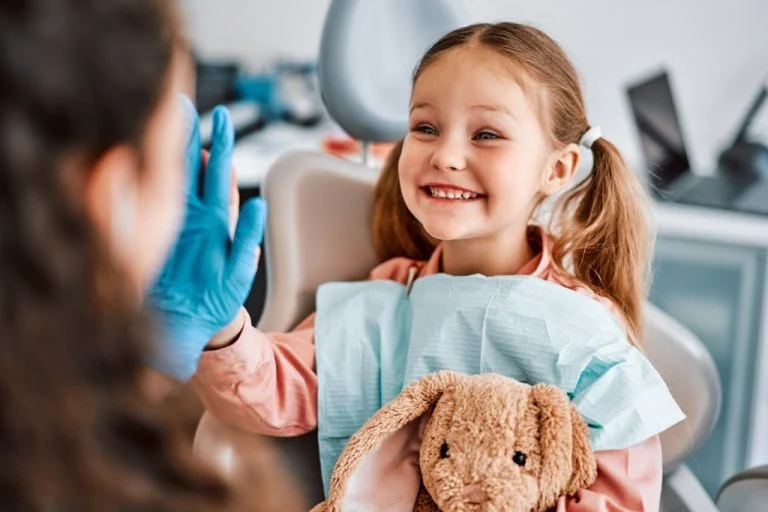
Preventing baby bottle tooth decay is one of the first steps in supporting your child’s dental development. As your child grows, you can reinforce good oral health habits by modeling good brushing behavior, choosing nutritious snacks, and making dental visits a positive experience.
Be consistent, patient, and encouraging. Children learn by watching, so when they see you taking care of your teeth, they’re more likely to follow your lead. Over time, those small routines add up to a big difference in their dental health.
Give Their Smile a Strong Start
Baby teeth might be small, but their impact is huge. By understanding baby bottle tooth decay and taking a proactive approach, you’re protecting more than just teeth. You’re also supporting your child’s speech, confidence, and lifelong health.
Start with a gentle routine, stay consistent, and don’t hesitate to reach out to your child’s dentist with any concerns. The earlier you build these habits, the easier it is to keep those tiny smiles bright and healthy.