

When you notice your gums pulling back from your teeth, you might wonder if the damage can be reversed.
Unfortunately, receding gums cannot grow back on their own, but treatment can stop the problem from getting worse and restore lost gum tissue.
This is why understanding the stages of gum disease and knowing when to seek help is so important for protecting your smile.
Gum recession happens when your gum tissue wears away and exposes more of your tooth roots. Many people experience this condition, which can lead to sensitivity, discomfort, and an increased risk of decay.
The good news is that several dental treatment options exist, from simple preventive care to surgical procedures that can restore your gums.
Whether you’re dealing with early signs of receding gums or more advanced gingival recession, knowing your options helps you make the best decisions for your oral health. A periodontist can evaluate your situation and recommend treatments ranging from nonsurgical approaches to gum graft surgery that rebuilds lost tissue.
Key Takeaways
- Receding gums cannot regrow naturally, but treatment can prevent further recession and restore gum tissue through procedures like gum grafts
- Gum recession happens due to factors including aggressive brushing, gum disease, genetics, and poor oral hygiene habits
- You should see a professional dentist when you notice gum recession to prevent tooth root exposure, sensitivity, and potential tooth loss
Table of Content
- Understanding Gum Recession and Its Stages
- Exploring the Causes and Risk Factors
- Can Gums Grow Back? Myths and Realities
- Treatment Options and Professional Care
- Prevention Strategies and Healthy Habits
- When to See a Periodontist and What to Expect
- Frequently Asked Questions
Understanding Gum Recession and Its Stages
Gum recession happens when your gum tissue gradually pulls away from your teeth, exposing parts that should stay covered.
This process moves through different stages, each with specific signs that help you know when to take action.
What Happens During Gum Recession
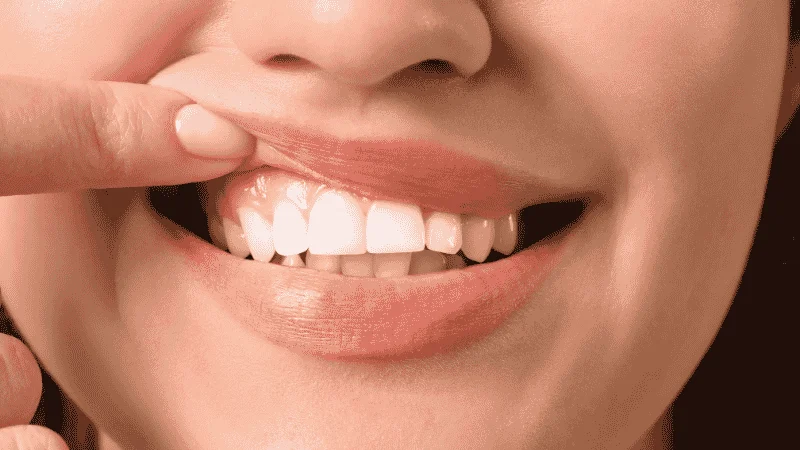
Gingival recession is a form of gum disease where your gum tissue moves away from your teeth. This exposes the tooth roots underneath, which should normally stay hidden beneath your gums.
When you have healthy gums, they fit snugly around your teeth like a protective seal. But as receding gums develop, this seal breaks down.
Your tooth roots become visible, and the exposed areas lack the hard enamel that protects the rest of your tooth.
The exposed tooth root is covered only by cementum, which is much weaker than enamel. This makes your teeth vulnerable to cavities and decay in areas they normally wouldn’t be.
Gum recession can affect just one tooth or multiple teeth at once.
Bone loss often happens alongside gum recession. As your gums pull back, the bone that supports your teeth can also deteriorate. This creates a cycle where tissue loss leads to more damage over time.
Recognizing the Progression of Gum Loss
The progression of gum recession happens in stages, from mild to severe. In the early stage, you might notice small gaps forming between your gums and teeth.
The recession is minimal and might only affect one or two teeth.
As gum recession moves to moderate stages, more of your tooth root becomes visible. You’ll see a clear line where your gums have pulled back. The pockets between your teeth and gums get deeper.
In severe cases, significant amounts of tooth root are exposed. Your teeth may look longer than they used to. The gum tissue has pulled back substantially, and bone loss becomes a serious concern.
Tooth mobility can develop when the supporting structures weaken enough.
Stages of Gum Recession:
- Mild: Small amount of tissue loss, minimal root exposure
- Moderate: Noticeable recession, visible root surfaces, deeper pockets
- Severe: Extensive tissue and bone loss, significant root exposure, potential tooth movement
Signs and Symptoms to Watch For
The signs of gum recession often start subtly before becoming obvious. Tooth sensitivity is usually one of the first things you’ll notice. Your teeth may hurt when you eat cold, hot, or sweet foods.
You might see that your teeth appear longer than before. This happens because more of the tooth structure is visible as gums recede. Pink, triangular gaps may appear between your teeth near the gum line.
Common symptoms include:
- Sensitive teeth when brushing or eating
- Teeth that look longer or larger
- Exposed tooth roots that appear yellow or darker
- Pain or discomfort along the gum line
- Bleeding gums when brushing
- Loose or shifting teeth in advanced cases
Monitoring your gums regularly helps you catch changes early. Look at your gums in the mirror and notice if they seem to be pulling away from your teeth.
If you can see or feel notches near the gum line, that’s a clear sign you need professional care.
Exploring the Causes and Risk Factors
Gum recession develops from multiple factors that weaken the tissue holding your gums in place.
Understanding these causes helps you identify risks early and take steps to protect your gums from further damage.
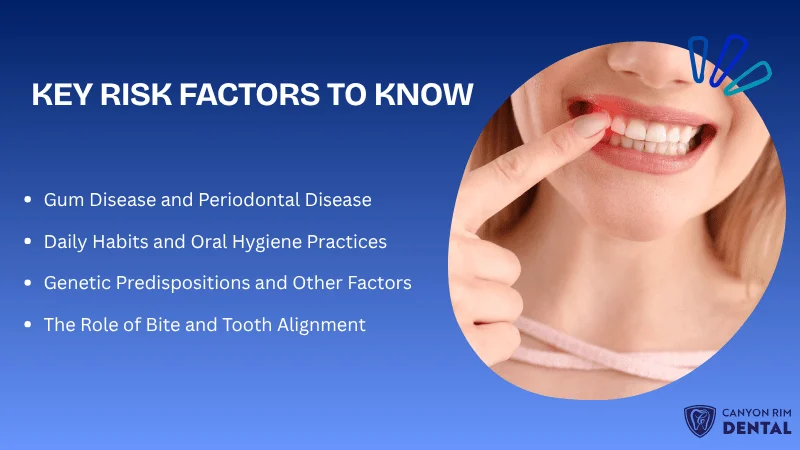
Gum Disease and Periodontal Disease
Gum disease is one of the most common causes of gum recession. It starts with gingivitis, which happens when plaque buildup irritates your gums and makes them red and swollen.
If you don’t treat gingivitis, it can turn into periodontitis. This more serious form of periodontal disease destroys the tissue and bone that support your teeth.
The infection causes your gums to pull away from your teeth, creating pockets where more bacteria can grow.
Plaque buildup is the main trigger for these conditions. When bacteria accumulate along your gum line, they release toxins that damage your gum tissue.
Over time, gum disease can cause significant gum recession that exposes your tooth roots.
Regular dental cleanings help remove plaque before it causes serious damage. Your dentist can also perform deep cleaning procedures to treat active gum disease.
Daily Habits and Oral Hygiene Practices
Your daily oral hygiene routine plays a big role in gum health. Brushing too hard or using a hard-bristled toothbrush can wear away your gum tissue over time.
This aggressive brushing gradually pushes your gums back from your teeth.
Using a soft-bristled toothbrush protects your gums while still cleaning your teeth effectively. Your brushing technique matters too.
You should hold your toothbrush at a 45-degree angle and use gentle circular motions instead of scrubbing back and forth.
Poor flossing habits also contribute to gum problems. When you skip flossing, plaque builds up between your teeth where your toothbrush can’t reach. This leads to inflammation that can cause your gums to recede.
Habits that harm your gums:
- Brushing too hard with aggressive strokes
- Using hard or medium-bristled toothbrushes
- Not flossing daily
- Skipping regular dental checkups
Tobacco use is another major risk factor. Smoking and chewing tobacco reduce blood flow to your gums and make it harder for gum tissue to heal from damage.
Genetic Predispositions and Other Factors
Some people are simply more likely to experience gum recession because of their genes. Genetics can affect how thick your gum tissue is and how strongly it attaches to your teeth.
If your gums are naturally thin, they’re more vulnerable to recession from other risk factors. You might develop gum problems even if you take good care of your teeth.
Family history matters too. If your parents had gum recession, you have a higher chance of experiencing it yourself.
Age also plays a role. Your gums naturally wear down over the years from decades of eating, brushing, and daily use.
Hormonal changes can make your gums more sensitive and prone to inflammation. Women may notice gum problems during pregnancy, menopause, or while taking birth control pills.
The Role of Bite and Tooth Alignment
A misaligned bite puts uneven pressure on certain teeth and their surrounding gums. This constant stress can cause the gum tissue to pull back from those teeth over time.
Crooked teeth create similar problems. When your teeth don’t line up properly, some areas take more force than they should during chewing. The extra pressure damages the gum tissue and bone that support those teeth.
Teeth grinding (bruxism) also forces your gums to recede. The repeated clenching and grinding motion strains your gum tissue and can loosen your teeth.
Orthodontic treatment can help correct alignment issues that contribute to gum recession. Moving a crooked tooth into its proper position sometimes allows the gum margin to improve naturally.
A mouth guard protects your teeth and gums if you grind your teeth at night.
Can Gums Grow Back? Myths and Realities
Once gum tissue pulls away from your teeth, it does not regenerate on its own. However, the extent of damage and your response time determine what treatment options can restore your gum line.
Understanding Gum Tissue Regeneration
Your gums cannot grow back naturally once they recede. Unlike other tissues in your body that heal themselves, gum tissue lacks the ability to regenerate after it pulls away from your teeth.
Gum recession cannot reverse on its own, but this doesn’t mean you’re without options. When you address gingival recession early, dentists can stop it from getting worse and use surgical techniques to restore lost tissue.
The myth that receding gums grow back likely comes from confusion about healing. Your gums can heal from cuts or minor injuries, but they won’t regrow to cover exposed tooth roots without professional intervention.
What actually happens:
- Gum tissue permanently recedes from teeth
- Exposed tooth roots remain visible
- Jawbone loss may occur beneath the gum line
- Treatment can rebuild and reattach gum tissue
Early Intervention Versus Advanced Recession
The timing of your treatment makes a significant difference in what dentists can do. Early cases of gum recession can often be stopped before major damage occurs.
When you catch recession early, your dentist may recommend deep cleanings to remove bacteria below the gum line. These cleanings help your gums reattach to your teeth and prevent further pulling away.
Advanced recession requires more complex procedures. You might need gum grafts where tissue from another part of your mouth covers exposed roots.
The pinhole surgical technique offers another option that doesn’t require tissue removal.
Treatment based on severity:
- Mild recession: Deep cleaning and improved oral hygiene
- Moderate recession: Scaling, root planing, and antimicrobial rinses
- Severe recession: Gum grafting or pinhole surgery
What to Expect Without Treatment
Ignoring receding gums leads to progressive damage. Your teeth become more sensitive to hot and cold temperatures as roots stay exposed. The recession continues moving down your teeth over time.
Gum disease causes inflammation and tissue damage that worsens without treatment. Bacteria multiply in the pockets between your gums and teeth, leading to infection.
Bone loss becomes a serious concern as recession advances. The bone supporting your teeth starts breaking down, which can eventually lead to tooth loss.
You’ll also notice gaps between your teeth widening and changes in how your teeth fit together when you bite.
Treatment Options and Professional Care
Treatment depends on how severe your gum recession is and what caused it in the first place.
Options range from deep cleaning procedures to surgical grafts that rebuild lost tissue, with newer techniques offering less invasive alternatives.
Non-Surgical Approaches: Deep Cleaning and Prevention
If caught early, you might avoid surgery altogether. Your dentist may recommend scaling and root planing, which is a deep cleaning that removes plaque and tartar from below your gum line.
This procedure helps eliminate bacteria that cause gum disease and smooths your tooth roots so gums can reattach.
Topical antibiotics applied directly under your gums can help fight infection. Your dental team will also teach you better brushing techniques to prevent further damage.
For minor cosmetic concerns, composite fillings uses tooth-colored resin to cover exposed roots. This makes your teeth look better and feel more comfortable.
Gum veneers made from acrylic or silicone can also mask recession without surgery.
If crooked teeth caused your recession, orthodontic treatment might help. Once your teeth move into proper alignment, your gum line may improve on its own over time.
Gum Grafting and Surgical Procedures
When recession is moderate to severe, gum graft surgery offers the most predictable long-term results.
A periodontist takes tissue from the roof of your mouth or uses sterilized donor tissue (allograft) to replace missing gums.
The most common type is a connective tissue graft, where tissue from under the skin of your palate covers the exposed root.
A free gingival graft takes tissue directly from the palate surface and is used when you need thicker gums.
Your surgeon positions the graft over the recession area and stitches it in place. The procedure typically takes one to two hours, depending on how many teeth need treatment.
Most people feel back to normal within two weeks, though complete healing takes several months.
Modern Minimally Invasive Techniques
The pinhole surgical technique offers an alternative to traditional grafting. Your periodontist makes a tiny hole in your gum tissue and uses special instruments to loosen and reposition it over exposed roots.
No cutting or stitches are needed.
Some periodontists use tissue-stimulating proteins during surgery. These proteins encourage your body to grow bone and tissue naturally, improving healing and results.
These newer approaches mean less discomfort, faster recovery, and often better cosmetic outcomes compared to older methods.
Managing Tooth Sensitivity and Exposed Roots

Exposed roots lack the protective enamel that covers the rest of your tooth, making them sensitive to hot, cold, and sweet foods. Desensitizing agents applied by your dentist provide quick relief.
At home, use desensitizing toothpaste with ingredients like potassium nitrate or stannous fluoride. These calm the nerves inside your teeth, but you need to use them consistently for several weeks to see results.
Your dentist can also apply fluoride varnish to strengthen exposed areas. During cleanings, your hygienist can use numbing agents to keep you comfortable.
If you’re considering dental implants, treating gum recession first helps ensure better outcomes and prevents future problems around the implant.
Prevention Strategies and Healthy Habits
You can take specific steps each day to protect your gums from recession. The right brushing method, regular dental visits, and avoiding harmful habits work together to keep your gums healthy.
Essential At-Home Oral Hygiene
Your daily oral hygiene routine plays a major role in keeping your gums attached to your teeth. You should brush twice a day using a soft-bristled toothbrush held at a 45-degree angle to your gum line.
Hard or medium bristles can damage delicate gum tissue over time.
Gentle circular motions work better than aggressive back-and-forth scrubbing. Too much pressure pushes gums away from teeth rather than cleaning them.
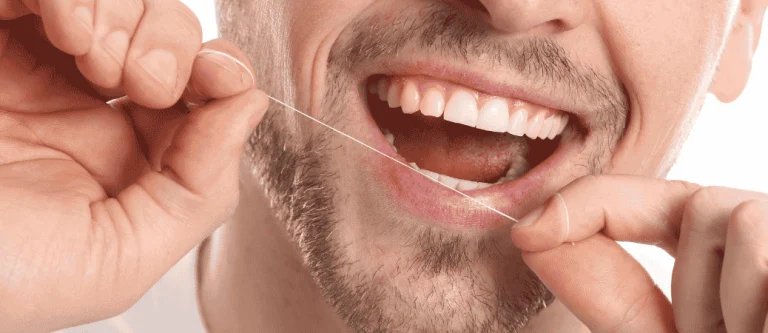
You need to floss daily to remove plaque between teeth where your toothbrush can’t reach.
Slide the floss gently up and down along each tooth rather than snapping it into your gums. This protects the tissue while still removing harmful bacteria.
Using an antimicrobial mouth rinse can help reduce bacteria that cause gum disease. Look for products with fluoride to strengthen the areas where your gums meet your teeth.
Professional Dental Checkups and Monitoring
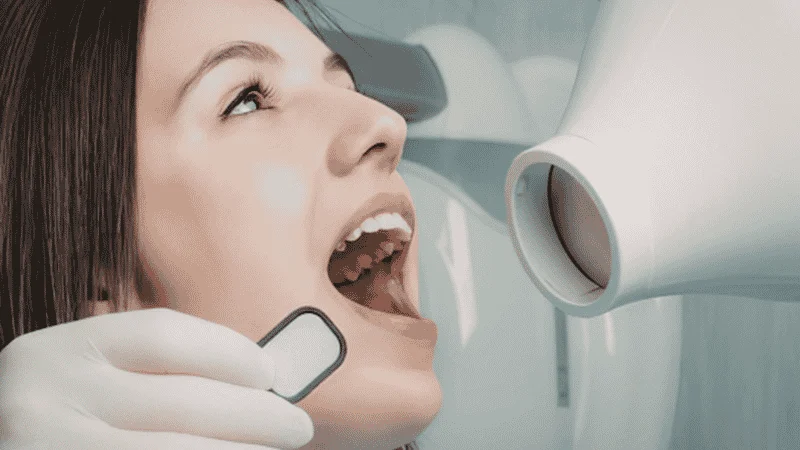
Seeing your dentist or periodontist at least twice a year gives you the best chance to catch gum problems early. Professional cleanings remove hardened plaque that you can’t eliminate at home.
Your dental team measures your gum pockets during checkups to track any changes. These measurements show if your gums are pulling away from your teeth.
Early detection means you can adjust your habits before recession becomes serious.
Ask your hygienist to review your brushing technique during visits. They can show you where you’re missing spots or brushing too hard.
Monitoring your gums between appointments helps you notice bleeding, tenderness, or visible changes in gum position.
Avoiding Common Triggers and Habits
Several daily habits can damage your gums without you realizing it. Smoking restricts blood flow to gum tissue and makes it harder for your gums to heal from damage.
Grinding or clenching your teeth puts excess pressure on gums and bone. A night guard from your dentist protects against this damage while you sleep.
You should avoid using your teeth as tools to open packages or bite nails. These actions stress your gums unnaturally. Eating a balanced diet with enough vitamin C and calcium supports healthy gum tissue.
Limit sugary and acidic foods that feed harmful bacteria in your mouth.
When to See a Periodontist and What to Expect
Knowing when your gum recession needs a specialist’s care can protect your teeth from further damage.
A periodontist focuses on gum disease and recession, offering treatments that go beyond what a general dentist provides.
Recognizing the Need for a Specialist
You should see a periodontist if your gums bleed regularly when you brush or floss. This bleeding is a sign of inflammation and one of the earliest indicators of gum disease.
If you notice your teeth looking longer than before, that’s gum recession. When gums gradually pull away from your teeth, more of the tooth root becomes exposed.
Other warning signs include:
- Persistent bad breath that won’t go away
- Loose teeth or teeth that feel like they’re shifting
- Pain when chewing
- Sensitivity to hot or cold temperatures
- Red, swollen, or tender gums
Your general dentist may refer you to a periodontal specialist if they see signs of advanced gum problems. You can also find a periodontist on your own if you’re concerned about your gum health.
How a Periodontist Diagnoses and Treats Gum Recession
Your first visit will include a complete exam of your gums and teeth. The periodontist measures the pockets between your gums and teeth to check for disease.
They’ll review your medical history and ask about symptoms you’ve noticed. X-rays help show bone loss around your teeth.
Treatment depends on what caused your recession. For mild cases, you might need a deep cleaning called scaling and root planing. This removes bacteria from below your gum line.
Gum graft surgery is the most predictable and long-lasting treatment for gum recession. During gum tissue grafting, the periodontist takes tissue from the roof of your mouth or uses donor tissue.
They place this graft where your gums have receded and stitch it in place.
Some periodontists offer less invasive options depending on your specific situation. The specialist will explain which periodontal treatment works best for you.
Understanding Recovery, Costs, and Next Steps
Recovery time varies based on how many teeth were treated and what type of procedure you had. Most people feel back to normal in about two weeks after gum grafting.
Your periodontist will give you specific instructions for caring for your gums after treatment. Following these directions carefully helps you heal faster and more comfortably.
Costs depend on several factors:
- How severe your gum recession is
- How many teeth need treatment
- What type of procedure you need
- Your insurance coverage
Many dental insurance plans cover at least part of periodontics treatment. Check with your insurance provider before your appointment.
Your periodontist’s office can often help you understand your coverage and payment options.
After your initial treatment heals, you’ll need regular follow-up visits. These appointments help your periodontist check that your gums stay healthy and catch any new problems early.
Frequently Asked Questions
Gum tissue cannot regrow naturally once it recedes, but treatment can stop further damage and restore lost tissue.
Understanding the early warning signs and treatment options helps you protect your gums before the problem gets worse.
Can receding gums grow back on their own, or is treatment always needed?
Gum tissue does not naturally regrow once it has pulled away from your teeth. Your body cannot repair receding gums the way it heals a cut on your skin.
Treatment is always needed to restore lost gum tissue. Without professional care, the recession will continue and expose more of your tooth roots over time.
A periodontist can perform procedures like gum grafting to replace the missing tissue. This protects your exposed roots and prevents further damage to your teeth and bone.
What are the most common causes of gum recession in otherwise healthy teeth?
Brushing too hard is one of the leading causes of gum recession in people with healthy teeth. Using a hard-bristled toothbrush or applying too much pressure wears away the delicate gum tissue.
Teeth grinding and clenching, especially during sleep, puts excessive force on your gums. This constant pressure can cause the gum line to recede even when you maintain good oral hygiene.
Genetics plays a role in how thick and resilient your gum tissue is. Some people are simply born with thinner gums that are more likely to recede regardless of their oral care habits.
Misaligned teeth or an abnormal bite can create uneven pressure on certain areas of your gums. This localized stress can cause recession in specific spots while other areas remain healthy.
How can I tell if I’m in the early stages of gum recession?
Your teeth may appear longer than they used to look when you smile or examine them in the mirror. This happens because the gum tissue is slowly pulling away and exposing more of each tooth.
You might notice increased sensitivity to hot, cold, or sweet foods and drinks. The exposed root surfaces lack the protective enamel coating, which makes them react to temperature changes.
A visible notch or groove at the gumline is an early warning sign of recession. You may be able to feel this gap with your tongue or see it when you look closely at your teeth.
Your gums might bleed more easily when you brush or floss. While this can indicate gum disease, it also signals that your gum tissue is becoming weaker and pulling away from your teeth.
What are my options to treat gum recession without surgery?
Deep cleaning is a non-surgical option that can help when gum disease causes your recession. This procedure, called scaling and root planing, removes plaque and tartar from below the gumline and smooths the root surfaces.
Your dentist may prescribe antibiotics to control bacterial infection if gum disease is present. These medications help reduce inflammation and allow your gums to heal and reattach to your teeth.
Changing your oral care habits can prevent further recession. Switching to a soft-bristled toothbrush and using gentle brushing techniques protects your remaining gum tissue from additional damage.
A custom night guard can help if teeth grinding is causing your recession. This appliance protects your teeth and gums from the excessive force that occurs during sleep.
However, these treatments cannot restore gum tissue that has already receded. They only stop the progression and prevent more damage from occurring.
When is it too late to successfully treat receding gums?
It’s rarely too late to treat receding gums, though advanced cases require more complex procedures. Even severe recession can be addressed with surgical options like gum grafting or regeneration therapy.
The main concern is whether the supporting bone around your teeth has been damaged. If periodontal disease has caused significant bone loss, treatment becomes more challenging but not impossible.
Loose teeth indicate that recession has progressed to a serious stage. At this point, you need immediate professional care to save your teeth from being lost.
The key is acting quickly when you notice symptoms. The earlier you seek treatment, the more options you have and the better your outcomes will be.
When should I see a periodontist for gum recession instead of my regular dentist?
You should see a periodontist when your gum recession is moderate to severe or continuing to worsen. General dentists can handle mild cases, but specialists have advanced training in gum tissue procedures.
If your regular dentist recommends gum grafting or other surgical treatments, it’s time to consult a periodontist. These specialists perform these procedures regularly and have the expertise to get the best results.
You need a periodontist when gum disease is causing your recession. They can provide deep cleanings and treatments that go beyond what a general dentist typically offers.
If you have multiple areas of recession or complex dental issues, a periodontist can create a comprehensive treatment plan. They work with your regular dentist to address both the recession and any underlying problems.