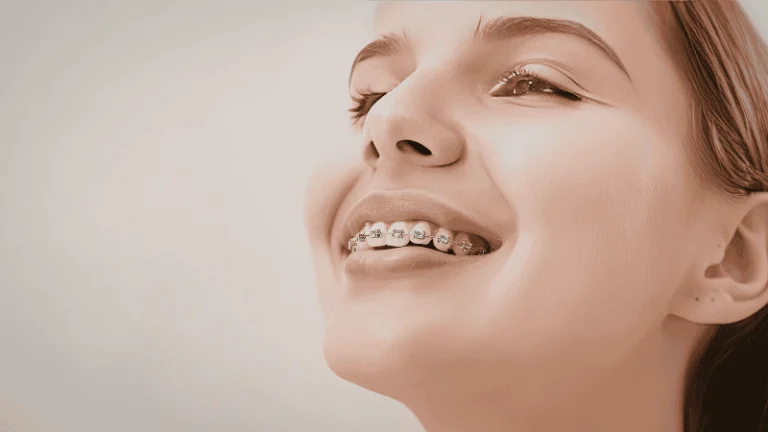



Noticing that your teeth are shifting or moving out of place can be concerning. Teeth naturally shift slightly over time, but significant movement can be a sign of an underlying issue. Understanding the reasons behind teeth shifting can help you take steps to address the problem and maintain a straight, healthy smile. Here are four common reasons your teeth may be shifting.
Aging
As you age, your teeth may naturally shift due to changes in your jawbone and the surrounding structures. The bone density in your jaw decreases over time, leading to a gradual movement of teeth. Additionally, the wear and tear on your teeth and the thinning of your enamel can contribute to shifting.
Over time, even slight movement can lead to noticeable changes in your bite and the alignment of your teeth. If you’ve had orthodontic treatment in the past, you may notice that your teeth are trying to return to their original positions, which is a phenomenon known as relapse. This is why wearing a retainer as prescribed by your orthodontist is important to maintaining the position of your teeth. Regular dental visits are essential as you age, allowing your dentist to monitor these changes and recommend corrective measures if necessary.
Tooth Loss
Losing a tooth creates a gap in your mouth, which can cause the surrounding teeth to shift into the empty space. This movement can lead to misalignment and bite issues, which not only affect the appearance of your smile but also your ability to chew and speak properly. Even if the missing tooth is not visible, the movement of teeth can impact your overall oral health.
Tooth loss can result from various factors, such as injury, decay, or gum disease. When a tooth is lost and not replaced, the adjacent teeth begin to drift toward the gap, causing misalignment and potentially leading to problems like TMJ disorders, difficulty cleaning between teeth, and increased wear on remaining teeth. If you’ve lost a tooth, it’s important to discuss replacement options with your dentist, such as dental implants, bridges, or partial dentures, to prevent shifting and maintain proper alignment.
Gum Disease
Gum disease can weaken the structures that support your teeth, leading to loosening and shifting. As the disease progresses, it can damage the bone and tissue that hold your teeth in place, causing them to move out of alignment. This shifting can be gradual, but over time, it can lead to noticeable changes in the way your teeth fit together.
Advanced gum disease, or periodontitis, can cause significant bone loss, further contributing to teeth becoming loose and shifting out of place. This can create spaces between your teeth that weren’t there before, making it harder to keep your teeth clean and increasing the risk of further decay and gum problems. If you’re experiencing symptoms of gum disease, such as bleeding gums, bad breath, or gum recession, it’s crucial to seek treatment. Addressing gum disease early can help prevent further damage and maintain the stability of your teeth.
Teeth Grinding (Bruxism)
Grinding your teeth, especially at night, can put excessive pressure on your teeth and cause them to shift over time. Bruxism can also lead to tooth wear, fractures, and other dental issues that contribute to misalignment. The constant grinding and clenching can push your teeth out of their proper positions, leading to noticeable changes in your bite and smile.
Teeth grinding can be caused by stress, anxiety, or sleep disorders, and it often goes unnoticed until significant damage has occurred. If you suspect that you grind your teeth, talk to your dentist about treatment options, such as a custom mouthguard, to protect your teeth and prevent shifting. Wearing a nightguard can help distribute the forces of grinding more evenly, reducing the risk of tooth movement and damage.
Keeping Your Teeth in Place
Understanding the reasons behind teeth shifting can help you take proactive steps to maintain your smile. Whether it’s due to aging, tooth loss, gum disease, or teeth grinding, addressing the underlying cause is key to preventing further movement and ensuring the health and alignment of your teeth. Regular dental check-ups, good oral hygiene, and wearing retainers or nightguards as recommended by your dentist are all essential steps in keeping your teeth in place and your smile intact.