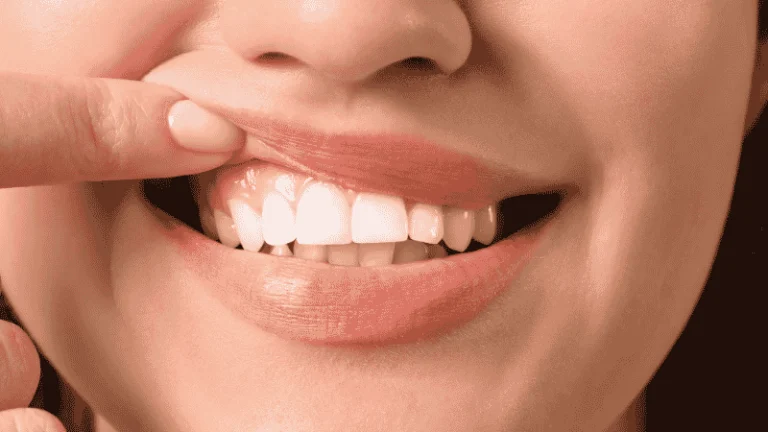



Receding gums are a common oral health issue in which the gum tissue surrounding the teeth pulls back, exposing the roots. This can lead to sensitivity, discomfort, and an increased risk of tooth decay or loss. However, while gum recession can increase the likelihood of additional dental complications, it is both treatable and preventable.
If you’re experiencing gum recession, it’s important to understand your treatment options to protect your oral health and restore your smile. Here’s what you need to know about treating receding gums.
Why Do Gums Recede?
Gum recession can happen for a variety of reasons, many of which are tied to oral health habits or lifestyle factors. One of the leading causes is gum disease, or periodontal disease, which results from plaque and bacteria buildup that inflames and damages the gums. Over time, this condition weakens the gum tissue and can cause it to pull back from the teeth. Another common cause is aggressive brushing, where using too much force or a hard-bristled toothbrush can wear down the gum tissue.
Genetics may also play a role in receding gums, as some individuals are predisposed to thinner or more sensitive gums, making them more vulnerable to recession. Hormonal changes, such as those experienced during pregnancy or menopause, can increase gum sensitivity and the likelihood of recession. Additionally, if you clench or grind your teeth, this places excessive pressure on the gums and supporting structures, potentially contributing to gum recession over time. Understanding these causes can help you identify risk factors and take steps to protect your gums.
Non-Surgical Treatments
For mild cases of gum recession, non-surgical treatments can help stop the progression and improve gum health. Non-surgical treatment options for gum recession include:
- Scaling and root planing: A deep cleaning procedure that removes plaque and tartar from below the gumline and smooths the tooth roots to promote reattachment of gum tissue.
- Desensitizing toothpaste: If gum recession causes sensitivity, special toothpaste can help reduce discomfort by protecting exposed roots
- Antibacterial mouthwash: Helps reduce bacteria and inflammation, supporting overall gum health.
These treatments are often recommended alongside improved oral hygiene practices to prevent further damage.
Surgical Treatments
For more advanced cases, surgical intervention may be necessary to restore gum health and protect your teeth. Here are some of the surgical options for halting recession and rejuvenating the integrity of your gums:
- Gum grafting: A common procedure where healthy tissue from another part of your mouth (or donor tissue) is used to cover exposed roots. This not only improves appearance but also protects the roots from further damage.
- Pinhole surgical technique (PST): A minimally invasive option where small holes are created in the gum tissue, and the gums are gently repositioned to cover exposed areas. This procedure requires less recovery time compared to traditional grafting.
- Regeneration procedures: For cases where bone loss has occurred, regenerative treatments may be used to stimulate new bone and tissue growth, supporting both the gums and teeth.
Your dentist or periodontist will recommend the most suitable procedure based on the severity of your gum recession.
Preventing Gum Recession
Preventing gum recession starts with maintaining a consistent and gentle oral hygiene routine. Brush your teeth twice daily using a soft-bristled toothbrush and fluoride toothpaste to effectively clean your teeth without causing damage to your gums. You should also floss daily to remove plaque and food debris from between your teeth, where a toothbrush cannot reach.
Be sure to schedule regular check-ups and cleanings with your dentist, as these visits can help identify early signs of gum recession or other oral health issues. If you grind or clench your teeth, consider wearing a custom night guard to minimize pressure on your gums and teeth. Maintaining a healthy diet that supports overall oral health, such as one rich in vitamins and minerals, can also strengthen your gums. By making gum health a priority, you can significantly reduce your risk of experiencing gum recession and protect your smile for years.
Restoring Your Smile and Confidence
Receding gums can be uncomfortable and impact your confidence, but with the right treatment, you can restore your gum health and protect your teeth. Whether through non-surgical methods, advanced surgical techniques, or preventive care, addressing gum recession promptly promotes a healthier, more confident smile for years to come.