


If your dentist has diagnosed you with gum disease, it’s normal to have questions or be concerned. For many, gum disease may sound like a permanent problem. But here’s the good news: in its early stages, gum disease can be reversed. If you’ve noticed bleeding gums, persistent bad breath, or redness around your gumline, you’re not alone. With the right care and attention, you can restore your oral health and rejuvenate your gums.
Understanding Gum Disease: What’s Really Going On?
Before we talk about reversing it, it helps to know what gum disease is. Gum disease, or periodontal disease, begins when plaque, a sticky film of bacteria, builds up around your teeth and gums. If it’s not removed by brushing and flossing, it can harden into tartar. This irritates your gums and causes inflammation.
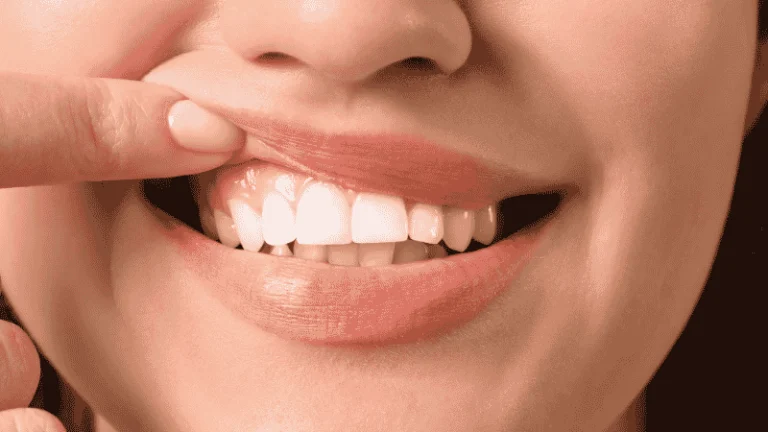
The earliest stage of gum disease is called gingivitis. This is where you might notice symptoms like swollen gums, bleeding when you brush, or a mild tenderness. At this point, the damage is still reversible. But if gingivitis isn’t treated, it can progress to periodontitis, where the infection reaches deeper into the gums and even starts affecting the bone.
Catching It Early: The Key to Reversal
If you’ve just started noticing signs of gum trouble, you’re in the ideal window to turn things around. Gingivitis is your body’s warning signal. Responding to it quickly and consistently gives you the best chance of reversing the damage and preventing further complications.
Here’s what you can do:
- Brush twice a day with fluoride toothpaste, making sure to clean along the gumline.
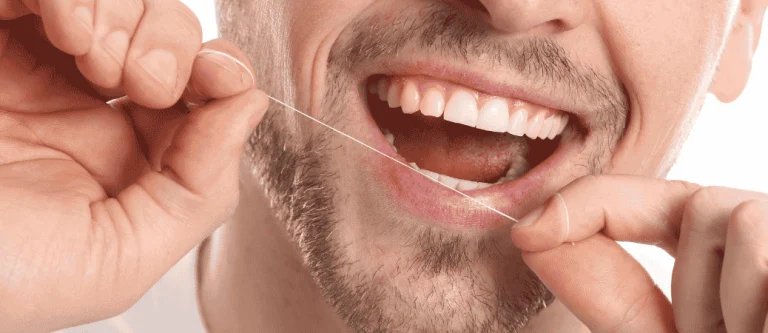
- Floss daily, even if your gums bleed a little; this should improve with regular care.
- Visit your dentist regularly for cleanings and checkups, especially if you’re at higher risk.
Sticking to these simple habits can make a big difference, especially if you’re still in the early stages.
Lifestyle Factors That Make a Big Difference
What you do outside your daily oral hygiene routine matters too. Your lifestyle has a direct effect on your gum health. Things like stress, smoking, and even poor nutrition can make gum disease worse or slow down healing. To give your gums the best shot at recovery:
- Quit smoking, if you haven’t already. Tobacco use restricts blood flow and slows healing.
- Eat a balanced diet rich in vitamin C and other antioxidants, which help your body fight inflammation.
- Manage stress, since high stress levels can weaken your immune system and make it harder to fight infections.
These changes can also benefit your overall health.
What If It’s More Than Gingivitis?
If you’ve already moved into periodontitis, don’t panic. While this stage isn’t reversible, it is treatable. Your dentist or periodontist may recommend deep cleaning procedures like scaling and root planing to remove tartar from below the gumline. In some cases, surgical treatments might be necessary.
Even in this advanced stage, your efforts make a big impact. You can prevent further damage, reduce symptoms, and keep your natural teeth for years to come.
Making the Most of Your Dental Visits
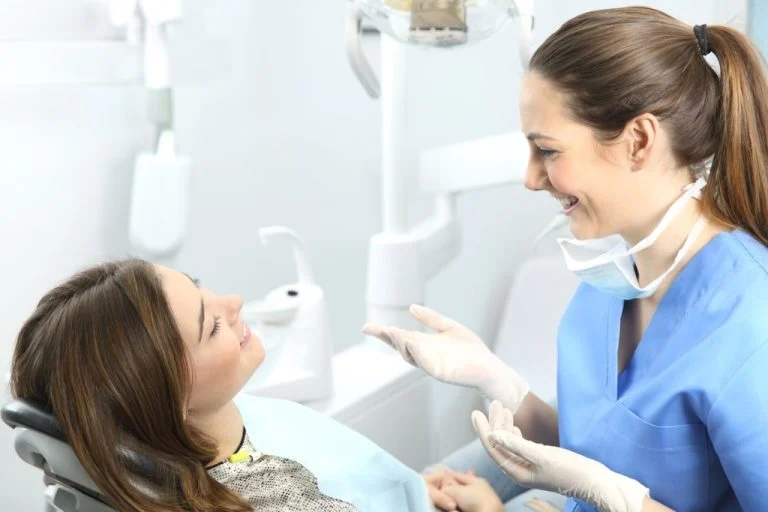
One of the best moves you can make is staying on top of your dental appointments. Our dental team does more than just clean your teeth, we check for signs of gum disease, offer personalized advice, and track your progress over time.
During a dental visit, you can expect:
- A thorough cleaning to remove plaque and tartar
- A check for gum recession and pocket depth
- Tailored advice on improving your oral hygiene routine
These regular checkups help you stay ahead of any issues and adjust your care as needed.
Take Back Control of Your Gum Health
Gum disease isn’t something that happens overnight and reversing it won’t happen immediately either. But with consistent care, smart lifestyle choices, and a great partnership with your dental provider, you can change the trajectory of your oral health. Whether you’re dealing with the earliest stage of gingivitis or managing more advanced periodontitis, taking action today sets you up for a healthier smile in the future.
So don’t ignore the signs. Your gums are resilient. With the right care, they can bounce back, and so can your confidence in your smile.