

If you have moderate sleep apnea, you might be wondering if you can skip the CPAP machine and use a simpler treatment instead.
Oral appliances are often effective for people with moderate obstructive sleep apnea, especially if you cannot tolerate CPAP therapy, though they work best when custom-fitted by a dentist and monitored regularly.
These devices look like mouthguards and work by moving your jaw or tongue forward to keep your airway open while you sleep.
The choice between treatments depends on your specific situation and sleep apnea severity.
Oral appliances are recommended as a first-line treatment option for mild to moderate OSA, but they may not work for everyone.
Your sleep doctor will consider factors like how severe your condition is, whether you have other health problems, and what treatment you can stick with long-term.
Understanding how oral appliances compare to CPAP and what results you can expect will help you make the right choice.
This article explains what oral appliances can do for moderate sleep apnea, how they stack up against other treatments, and what you need to know before trying one.
Key Takeaways
- Oral appliances work by repositioning your jaw or tongue to keep your airway open during sleep
- Custom dental devices fitted by qualified dentists are more effective than over-the-counter options for treating moderate obstructive sleep apnea
- Regular follow-up appointments are needed to check that your oral appliance therapy is working properly and adjust the device as needed
Table of Content
- How Oral Appliances Work for Sleep Apnea
- Types of Oral Appliances and Their Effectiveness
- Oral Appliances Versus CPAP Therapy
- Suitability and Limitations of Oral Appliance Therapy
- Health Outcomes and Quality of Life Considerations
- Frequently Asked Questions
How Oral Appliances Work for Sleep Apnea
Oral appliances for sleep apnea work by physically repositioning parts of your mouth to keep your airway open while you sleep.
These devices tackle the root cause of breathing interruptions and can significantly improve symptoms like snoring and tiredness during the day.
Mechanism of Keeping the Upper Airway Open
Oral appliance therapy treats sleep apnea by removing physical blockages from your upper airway. The two main types work in different ways to achieve this goal.
A mandibular advancement device (MAD), also called a mandibular advancement splint, connects to both your upper and lower teeth. It moves your jaw forward, which pulls the base of your tongue away from the back of your throat.
This forward positioning creates more space in your airway so you can breathe freely during sleep.
A tongue-retaining device (TRD), or tongue-stabilizing device, uses suction to hold your tongue forward. The tip of your tongue sits in a small plastic bulb that protrudes through your lips.
By keeping your tongue from falling back, the device prevents it from blocking your airway.
Both types are inserted before sleep and removed in the morning. Unlike over-the-counter oral appliance options such as boil-and-bite devices, custom-fitted versions from a dentist provide better results and comfort.
Impact on Snoring and Daytime Sleepiness
Mandibular advancement devices effectively reduce snoring volume and frequency while decreasing the number of breathing lapses each night.
Studies show these devices also improve daytime sleepiness, helping you feel more alert and focused during your daily activities.
You might experience some temporary side effects when you first start using an oral appliance. Extra saliva production is common at first, though this usually goes away with time. Some people experience dry mouth or dry gums instead.
The good news is that most side effects are not serious. However, some users do report lasting symptoms like jaw discomfort or changes in how their teeth meet.
If you notice pain or significant changes, talk to your dentist about adjustments.
Who Benefits Most From Oral Appliance Therapy
Oral appliances work best for adults who cannot tolerate CPAP therapy and those with mild to moderate sleep apnea.
If you find CPAP machines uncomfortable or claustrophobic, an oral appliance might be a good alternative for you.
Adherence rates tell an important story. While CPAP has only a 40% compliance rate over the long term, mandibular advancement devices have an 80% compliance rate.
People stick with oral appliances because they find them easier to use and more comfortable.
You should know that CPAP therapy treats sleep apnea more effectively than oral appliances in clinical settings. However, the treatment you actually use consistently is always better than one you abandon.
Research shows 90% of people prefer MADs over tongue-retaining devices, which is why your doctor will likely recommend a MAD first if you need an oral appliance for sleep apnea.
Types of Oral Appliances and Their Effectiveness
Different oral appliances work in unique ways to keep your airway open during sleep, with varying success rates for moderate sleep apnea.
Custom-fitted devices generally perform better than store-bought options, and newer technologies continue to expand treatment possibilities.
Mandibular Advancement Devices vs Tongue-Retaining Devices
A mandibular advancement device (MAD), also called a mandibular advancement splint or mandibular repositioning appliance, moves your lower jaw forward to keep your airway open.
These devices are the most commonly used oral appliances for treating obstructive sleep apnea. They fit over your upper and lower teeth like a sports mouthguard and hold your jaw in a forward position throughout the night.
A tongue-retaining device (TRD) or tongue-stabilizing device works differently. It uses suction to hold your tongue forward and prevent it from blocking your airway. This type doesn’t attach to your teeth or move your jaw position.
MADs tend to be more popular because most people find them more comfortable for long-term use. They work well if you have enough teeth to support the device and don’t have severe jaw problems.
TRDs can be a good choice if you have dental issues, missing teeth, or cannot move your jaw forward comfortably.
Custom-Fit vs Over-the-Counter Devices
Custom-fitted oral appliances prescribed by dentists or sleep specialists consistently outperform over-the-counter sleep apnea mouthpieces.
A dentist makes custom devices using molds of your teeth and mouth, ensuring proper fit and jaw positioning. These devices can be adjusted over time to maximize effectiveness and comfort.
Over-the-counter oral appliances are cheaper and available without a prescription. However, they don’t provide the same level of customization or effectiveness.
They may not position your jaw correctly, which can reduce how well they work or cause jaw pain.
Custom devices provide superior comfort, effectiveness, and proper jaw positioning compared to store-bought options.
Your dentist can also monitor your progress and make adjustments as needed. Insurance often covers custom oral appliances when prescribed for sleep apnea treatment, which helps offset the higher initial cost.
Rapid Maxillary Expansion and Pediatric Options
Rapid maxillary expansion (RME) uses an expander device to widen the upper jaw in children whose bones are still growing. This treatment offers an alternative non-surgical option for children with obstructive sleep apnea.
The expander attaches to the upper back teeth and gradually widens the palate over several weeks or months.
By creating more space in the upper jaw and nasal passages, RME can improve breathing during sleep. This approach works best in children before their facial bones finish growing, typically before their teenage years.
The treatment requires regular adjustments by an orthodontist or dentist. After the expansion is complete, your child wears a retainer to maintain the new jaw width.
RME can be particularly effective for children whose sleep apnea is caused by a narrow upper jaw or palate.
Newer Devices: Tongue Muscle Stimulation
Tongue muscle stimulation devices represent an emerging treatment option that works differently from traditional oral appliances.
These devices use electrical stimulation to strengthen tongue muscles or keep them in the right position during sleep. Some versions stimulate the hypoglossal nerve, which controls tongue movement.
The stimulation helps prevent your tongue from falling back and blocking your airway. While this technology is newer and still being studied, early results show promise for people who don’t respond well to standard MADs or TRDs.
These devices may require a minor surgical procedure to implant the stimulator, though some newer models are less invasive.
Your sleep specialist can help determine if tongue muscle stimulation might be appropriate based on your specific type of sleep apnea and anatomy.

Oral Appliances Versus CPAP Therapy
CPAP therapy reduces breathing interruptions more effectively in clinical measurements, but oral appliances often achieve similar real-world outcomes because people wear them more consistently.
The best treatment depends on your sleep apnea severity and which device you’ll actually use every night.
Adherence and Real-World Results
You’re more likely to use an oral appliance regularly compared to CPAP therapy. Studies show that people wear oral appliances an average of 6.5 to 7 hours per night, while CPAP users average about 4 to 5 hours.
This difference matters because consistent use is what makes any sleep apnea treatment work.
Even though continuous positive airway pressure clears your airway more completely, oral appliances can match CPAP on blood pressure reduction and daytime sleepiness when you factor in real-world compliance.
Key adherence factors include:
- Oral appliances are smaller and easier to travel with
- You don’t need electricity or water for an oral appliance
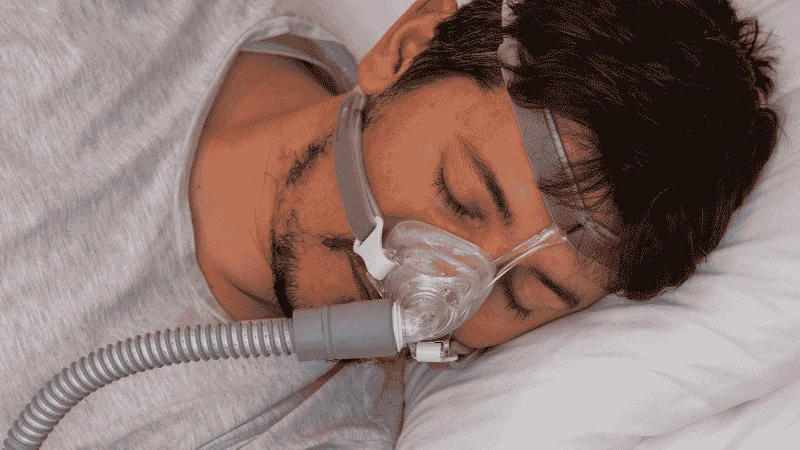
- CPAP masks can cause claustrophobia or skin irritation
- Oral appliances work quietly without noise or air pressure
Your doctor will likely recommend CPAP first since it’s the gold standard treatment. But if you struggle with the mask or air pressure after trying adjustments, an oral appliance becomes a practical alternative that you’ll actually wear.
Comparative Effectiveness for Moderate OSA
For moderate sleep apnea, oral appliance therapy remains a widely recommended option, especially if you can’t tolerate CPAP. A sleep study will measure your apnea-hypopnea index (AHI), which counts how many times per hour your breathing stops or slows.
Moderate sleep apnea means your AHI falls between 15 and 30 events per hour. CPAP is more effective clinically for severe cases, but oral appliances for sleep apnea can work well at moderate levels.
Effectiveness comparison:
| Treatment Type | AHI Reduction | Best For |
| CPAP | 60-80% reduction | All severity levels |
| Oral Appliance | 40-60% reduction | Mild to moderate OSA |
Custom-fitted mandibular advancement devices work better than over-the-counter options. These devices push your lower jaw forward to keep your airway open and reduce snoring.
When properly fitted by a dental sleep specialist, an oral appliance for sleep apnea can significantly improve your breathing and sleep quality.
Combining Oral Appliances With CPAP
Some people use both treatments together to get better results with lower CPAP pressure. This combination approach lets you reduce the air pressure needed from your CPAP machine, which makes it more comfortable to wear.
You might benefit from combining treatments if you need high CPAP pressure that feels uncomfortable or causes air leaks. The oral appliance opens your airway partially, so your CPAP doesn’t have to work as hard.
Benefits of combination therapy:
- Lower pressure settings reduce mask leaks
- Less air pressure means less dryness and irritation
- You maintain the effectiveness of CPAP with added comfort
- Easier to adjust to CPAP when starting treatment
Your sleep specialist can run a follow-up sleep study to find the right pressure settings when using both devices. This approach isn’t common, but it works for people who respond partially to each treatment alone.
Most doctors will try optimizing one treatment first before suggesting you use both together.
Suitability and Limitations of Oral Appliance Therapy
Oral appliances work well for some people but not others, depending on your specific condition and physical factors.
Understanding who benefits most from these devices and what challenges might arise helps you make informed decisions about your treatment.
Ideal Candidates for Oral Appliances
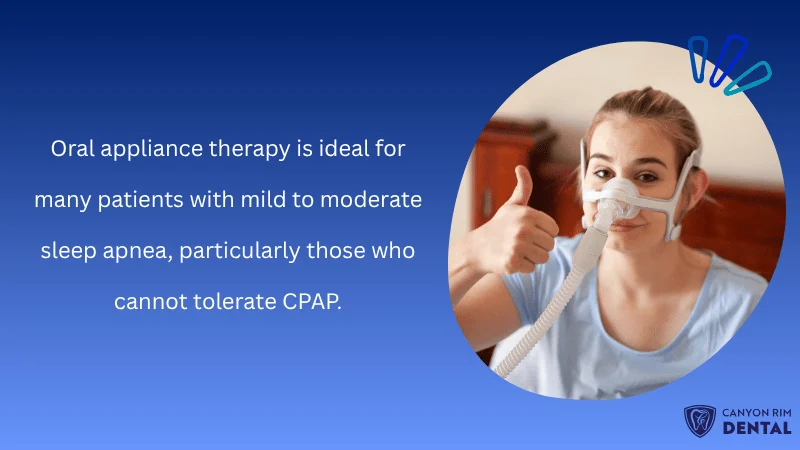
You’re a good candidate for oral appliance therapy if you have mild to moderate obstructive sleep apnea. Research shows these devices work especially well when your condition isn’t too severe.
Your sleep doctor might recommend an oral appliance if you’ve tried CPAP therapy but couldn’t tolerate it. Many people find oral appliances easier to use and travel with.
You should have healthy teeth and gums to support the device properly. Your jaw needs enough mobility to allow the appliance to move your lower jaw forward effectively.
People who sleep on their side or stomach often do better with oral appliances than back sleepers. Your BMI also matters since oral appliance therapy tends to work better if you’re not significantly overweight.
Dental sleep medicine specialists can evaluate whether your mouth structure suits this treatment option.
Contraindications and Potential Side Effects
Oral appliances aren’t right for everyone with sleep apnea. If you have severe OSA, CPAP remains the first choice because it has well-documented efficacy in reducing breathing events.
You shouldn’t use these devices if you have central sleep apnea, which involves your brain’s breathing signals rather than physical airway blockage. People with active TMJ disorders may experience worsening symptoms.
Common side effects include:
- Jaw pain or discomfort, especially when you first start treatment
- Dry mouth upon waking
- Excessive salivation during the night
- Tooth sensitivity or soreness
- Temporary bite changes in the morning
Some people experience side effects related to the mouth and jaw that make them uncomfortable with continued use. Long-term wear can sometimes cause permanent changes to your bite, though this happens gradually over months or years.
Monitoring Effectiveness and Follow-Up Care
Your treatment doesn’t end once you get your oral appliance. You need regular follow-up appointments to make sure the device works properly and doesn’t cause problems.
Your dentist or sleep specialist should see you within a few weeks of starting treatment to check for comfort issues. They’ll adjust the device gradually to find the position that opens your airway without causing jaw pain.
You’ll likely need a follow-up sleep study after several months to confirm the appliance is reducing your breathing events enough. This testing shows whether your moderate sleep apnea is actually being controlled.
Plan for dental check-ups every six months to monitor your teeth and bite alignment. Your provider will look for signs of TMJ problems or tooth movement that might need attention.
Some people need device adjustments over time as their weight or sleep patterns change. Keep track of your symptoms and report any new snoring, daytime sleepiness, or jaw discomfort to your healthcare team right away.
Health Outcomes and Quality of Life Considerations
Oral appliance therapy affects more than just your nighttime breathing. Research shows that using these devices can lead to measurable improvements in cardiovascular health markers and daily functioning when you stick with treatment over time.
Effects on Blood Pressure and Heart Health

Moderate sleep apnea puts stress on your cardiovascular system every night. When you stop breathing repeatedly, your blood pressure spikes and your heart works harder than it should.
Oral appliances can help improve cardiovascular outcomes for people with obstructive sleep apnea. Studies show that consistent use of these devices may reduce blood pressure, especially in patients who wear them every night.
The improvement happens because your airway stays open during sleep, which means fewer breathing interruptions and less stress on your heart.
Your body gets more consistent oxygen levels throughout the night. This helps prevent the repeated surges in blood pressure that damage blood vessels over time.
Some patients see their blood pressure readings drop within a few months of starting oral appliance therapy.
The benefits depend on how well the device works for you and how often you wear it. Your sleep apnea treatment needs to address your specific breathing patterns, which is why follow-up testing matters.
Long-Term Quality of Life Improvements
Most people notice changes in how they feel during the day after starting treatment. Your daytime sleepiness often decreases as your sleep quality improves.
Quality of life improvements with oral appliances extend beyond just feeling less tired. You may notice better concentration at work, improved mood, and more energy for daily activities.
Many patients report feeling more alert while driving and better able to focus on tasks that require attention.
Your partner might also sleep better when your snoring decreases. This can strengthen relationships and improve sleep quality for both of you. The social benefits of treatment often matter just as much as the physical ones.
Results vary from person to person. A sleep study after you start using the device helps confirm whether it’s working well enough for your needs.
Importance of Adherence and Ongoing Assessment
Wearing your oral appliance every night makes a significant difference in outcomes. Adherence to oral appliance therapy typically runs higher than with CPAP machines because the devices are smaller and easier to travel with.
You need regular check-ins with your dental sleep medicine provider. These appointments let your dentist adjust the device if needed and check for any dental side effects.
Your teeth and jaw position can shift over time, which affects how well the appliance works.
Most experts recommend a follow-up sleep study within a few months of starting treatment. This test confirms that the device is controlling your breathing events adequately.
Some people need adjustments or a different treatment approach if the appliance isn’t reducing their apnea events enough.
Your commitment to wearing the device consistently determines whether you’ll see the health benefits. Even missing a few nights per week can reduce the positive effects on your blood pressure and daytime function.
Frequently Asked Questions
People considering oral appliances for moderate sleep apnea often want to know how these devices compare to CPAP therapy and what results they can expect.
Cost, effectiveness, and potential side effects are common concerns when deciding on treatment.
How effective are oral appliances compared with CPAP for moderate sleep apnea?
CPAP therapy works better than oral appliances at treating moderate sleep apnea in most cases. Studies show that CPAP has a 95% effectiveness rate, while oral appliances typically achieve lower success rates.
However, the real-world picture looks different when you consider how often people actually use their devices. CPAP only has a 40% compliance rate over the long term because many people find it uncomfortable or difficult to use.
Mandibular advancement devices have an 80% compliance rate, meaning you’re much more likely to wear them consistently. A treatment only works if you use it every night.
For moderate sleep apnea, oral appliances can reduce breathing interruptions by 65-85% when worn properly. This makes them a solid option if you can’t tolerate CPAP.
What factors determine whether a dental sleep appliance will work well for me?
The severity of your sleep apnea plays a big role in whether an oral appliance will help you enough. These devices work best for people with mild to moderate obstructive sleep apnea rather than severe cases.
Your mouth and jaw structure matter too. You need enough teeth to hold the device in place and a jaw that can move forward comfortably.
The type of blockage causing your sleep apnea affects results as well. Oral appliances only treat obstructive sleep apnea, not central sleep apnea, since they work by clearing physical blockages in your airway.
Your willingness to stick with follow-up appointments is important. You’ll need regular visits to adjust the device and monitor how well it’s working.
What are the pros and cons of using a mandibular advancement device for sleep apnea?
Mandibular advancement devices offer several benefits that make them appealing. They’re small, quiet, and easy to travel with compared to CPAP machines.
You don’t need electricity or distilled water to use them. They also reduce snoring volume and frequency along with treating sleep apnea.
Most people find these devices more comfortable than CPAP masks. You can open your mouth and even talk while wearing them.
The downsides include some uncomfortable side effects, especially at first. You might produce extra saliva or experience dry mouth and gums when you start using the device.
Some people develop jaw pain or discomfort. Long-term use can sometimes cause changes in how your teeth fit together.
These devices don’t monitor your breathing or usage like CPAP machines do. You’ll need regular check-ins with your dentist to make sure the appliance still fits properly and works well.
How much does a custom dental device for sleep apnea typically cost, and is it covered by insurance?
Custom oral appliances generally cost between $1,800 and $3,000 when you include the device itself plus fitting appointments. This price covers the custom mold of your mouth and adjustments to get the right fit.
Insurance coverage varies depending on your specific plan and provider. Many insurance companies do cover oral appliances for sleep apnea, especially if you’ve tried CPAP first and couldn’t tolerate it.
You’ll typically need a sleep study showing you have obstructive sleep apnea and a prescription from your doctor. Your insurance may require documentation that CPAP didn’t work for you before approving an oral appliance.
Some plans cover a percentage of the cost while others have specific allowances for durable medical equipment. Check with your insurance company before getting fitted to understand your out-of-pocket costs.
Medicare and Medicaid coverage depends on your state and specific circumstances. Contact your plan directly to learn about your coverage options.
Are there FDA-cleared oral appliances for sleep apnea, and how do I choose a reputable one?
The FDA has cleared multiple oral appliances as legitimate medical devices for treating sleep apnea. These approved devices meet safety and effectiveness standards.
Your best bet is working with a dentist who specializes in dental sleep medicine. They’ll recommend FDA-cleared devices and create a custom fit for your mouth.
Look for dentists who are members of the American Academy of Dental Sleep Medicine. These professionals have specific training in treating sleep apnea with oral appliances.
Avoid buying generic devices online without professional fitting. Custom-fitted appliances from qualified dentists work better and cause fewer problems than one-size-fits-all options.
Your sleep doctor and dentist should work together to monitor your treatment. This team approach ensures the device actually improves your sleep apnea.
What side effects can occur with long-term use of an oral appliance, and how can they be managed?
The most common side effects include excessive salivation, dry mouth, and gum discomfort when you first start using the device. These problems usually go away after a few weeks as your mouth adjusts.
Some people experience jaw soreness or temporomandibular joint discomfort. If this happens, your dentist can adjust how far the device moves your jaw forward.
Long-term use can sometimes shift your teeth or change your bite. Regular dental checkups help catch these changes early so your dentist can make adjustments.
You can manage dry mouth by drinking water before bed and keeping water nearby at night. Using a humidifier in your bedroom also helps.
Tell your dentist right away if you have persistent pain or discomfort. They can modify the device or suggest exercises to help your jaw muscles adapt.