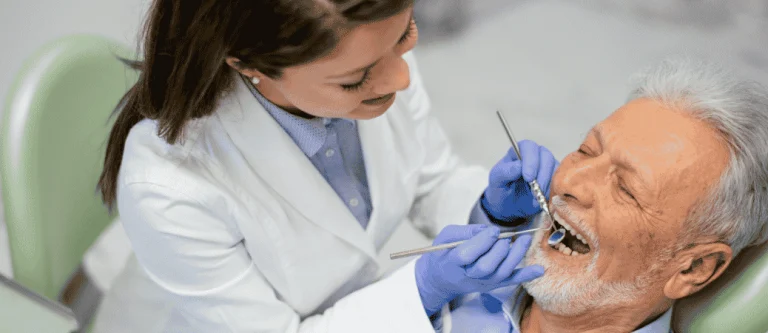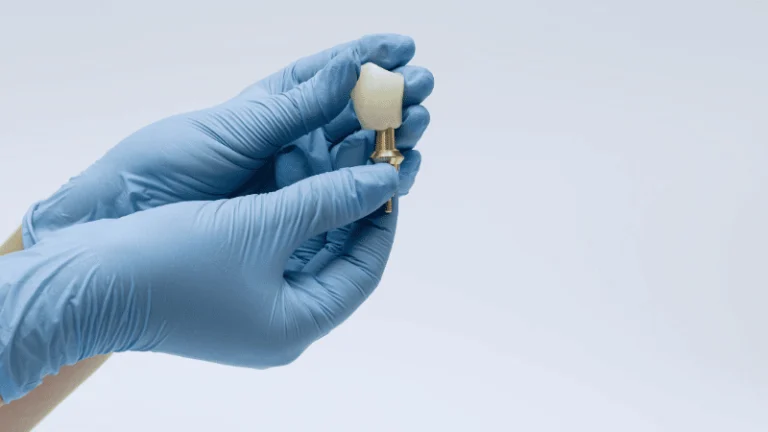



You walk out of all-on-x surgery with a new fixed smile, but the real focus shifts to healing. The first 72 hours set the tone for how your all-on-x dental implants bond with your jaw.
During the first 72 hours, you can expect swelling, mild to moderate discomfort, tightness in your jaw, and the need for strict rest and a soft diet to protect your implants.
Swelling often peaks within this window, and you may notice light bleeding or pressure around the implant sites.
These reactions are normal after full-arch implant treatment and show that your body has started the healing process.
When you follow your care instructions closely, you lower your risk of problems and support strong implant stability.
What you do during these early days matters. Simple steps like resting, keeping your mouth clean as directed, and avoiding hard foods help protect your investment and support long-term success.
Key Takeaways
- Expect swelling, soreness, and pressure while your body begins healing.
- Rest, soft foods, and careful oral care protect your implants.
- Following instructions closely lowers risk and supports long-term stability.
Table of Content
- What Happens Immediately After All-On-X Surgery
- Managing Pain, Swelling, and Oral Care
- Diet, Activity, and Rest During Early Healing
- Potential Risks and How to Recognize Complications
- Setting the Stage for Long-Term Success
- Frequently Asked Questions
What Happens Immediately After All-On-X Surgery
You leave surgery with teeth in place and clear steps to follow at home. Swelling, mild bleeding, and soreness are normal during the first day and need simple care and close attention.
Temporary Teeth and Leaving the Office
You do not leave without teeth. Your surgeon places a fixed bridge on your all-on-x implants the same day.
These temporary teeth are also called a temporary prosthesis or temporary bridge. They stay attached and do not come out. This design lets you smile, speak, and eat soft foods right away.
Your new prosthetic teeth are lighter and shaped to protect the implants. They reduce pressure while your bone begins osseointegration, the process where bone bonds to the implants.
Before you leave, your team checks your bite and comfort. Many practices explain that you go home with a fixed bridge in place on surgery day.
Plan to rest once you get home. Do not drive if you had IV sedation. Have someone stay with you for the first several hours.
Initial Swelling and Discomfort
Swelling starts within hours after surgery. It often peaks around day two or three.
This happens with both all-on-4 and all-on-6 full-arch restoration cases. Your body sends fluid and cells to the area to begin healing.
You may feel jaw tightness, facial pressure, and soreness in the muscles. Most patients feel more comfortable within four to seven days.
Use ice packs for 15 minutes on and 15 minutes off during the first day. After 48 to 72 hours, warm compresses can help reduce stiffness.
Take prescribed pain relievers as directed. Take them with food unless your surgeon tells you otherwise. Rest with your head raised to help limit swelling.
Avoid heavy lifting or exercise. A higher heart rate can increase swelling and throbbing.
Bleeding and Bruising
Light bleeding or oozing is normal the first day. Bite gently on gauze for about 30 minutes at a time to control it.
Do not rinse hard, spit forcefully, or touch the surgical sites. These actions can disturb early clot formation around your all-on-x implants.
Some patients notice bruising on the cheeks or under the jaw. Swelling often reaches its highest point within the first 72 hours and then slowly improves.
Call your dentist if bleeding feels heavy or does not slow after steady pressure. A small amount of blood mixed with saliva can look worse than it is, so stay calm and follow the steps your team gave you.
Managing Pain, Swelling, and Oral Care
During the first 72 hours, you need to control discomfort, limit swelling, and keep the surgical sites clean. Simple steps done on schedule protect your implants and support a smooth healing timeline.
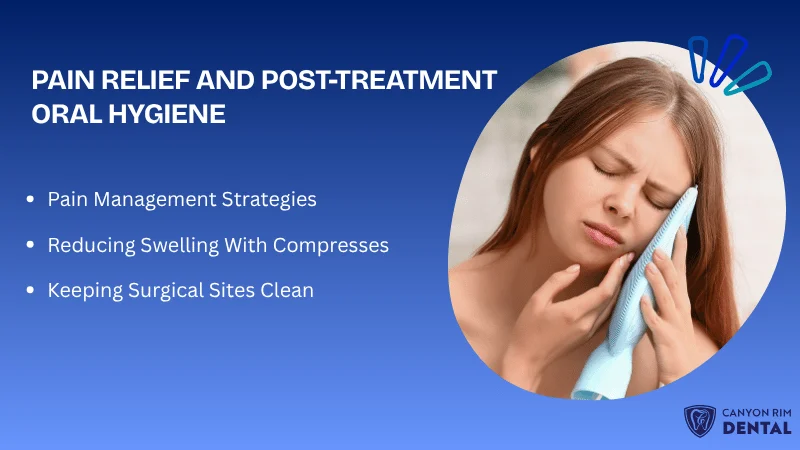
Pain Management Strategies
You will likely feel the most discomfort during the first 48 to 72 hours. Most patients describe it as pressure and soreness rather than sharp pain.
Take your prescribed pain relievers exactly as directed in your post-op instructions. Do not wait until pain becomes severe. Staying on schedule keeps pain levels steady and makes recovery easier.
Many surgeons recommend prescription medication for the first few days, then switching to over-the-counter options like ibuprofen or acetaminophen. The first 72 hours after surgery are usually when discomfort peaks.
Avoid alcohol and do not drive while using strong pain medicine. If pain suddenly gets worse instead of better, call your dental office. Increasing pain after day three is not typical and needs attention.
Reducing Swelling With Compresses
Swelling is normal and often peaks within 48 to 72 hours. Your cheeks may look puffy, and mild bruising can appear along the jaw.
Use ice packs during the first 24 to 48 hours. Place the pack on your face for 15–20 minutes at a time, then remove it for 15–20 minutes. This pattern helps control inflammation.
After the first two days, you may switch to warm compresses if swelling feels firm or stiff. Warmth increases blood flow and can ease tightness, but it does not replace ice in the early stage.
Sleep with your head raised on two pillows. This simple step reduces fluid buildup and supports implant recovery care.
Keeping Surgical Sites Clean
Clean surgical areas carefully to protect surgical sites and prevent infection. Good oral care lowers the risk of complications during implant recovery.
For the first 24 hours, avoid vigorous rinsing. After that, gently rinse with a prescribed chlorhexidine rinse or other antiseptic mouthwash if your surgeon recommends it. Let the liquid roll around your mouth; do not swish hard.
Brush your other teeth as usual, but avoid direct contact with the surgical areas unless your provider tells you otherwise. Use a soft toothbrush and light pressure.
If you notice heavy bleeding, thick discharge, or a bad taste that does not improve, contact your office right away. Clean habits during these first 72 hours help set the stage for steady healing.
Diet, Activity, and Rest During Early Healing
What you eat, how you clean your mouth, and how much you move all affect your all-on-x recovery in the first 72 hours. Simple choices during this time protect your implants and help your body heal without problems.
The Importance of a Soft Food Diet
Your new full-arch implant is stable, but the bone and gums around it are still healing. During the first 48 to 72 hours, follow a strict soft food diet to avoid pressure on your temporary prosthesis.
Stick to:
- Protein shakes
- Smooth yogurt
- Mashed potatoes
- Scrambled eggs
- Blended soups (lukewarm, not hot)
- Applesauce
Avoid crunchy, chewy, spicy, or very hot foods. Do not chew ice. Do not test your bite strength.
Most post-op guides for All-on-X aftercare and recovery stress that early food choices protect implant stability. Even if you feel fine, your implants are still bonding with bone.
Eat small portions. Chew slowly and gently with your back teeth. Staying hydrated also supports dental implant recovery, so drink plenty of water.
Safe Oral Hygiene Practices
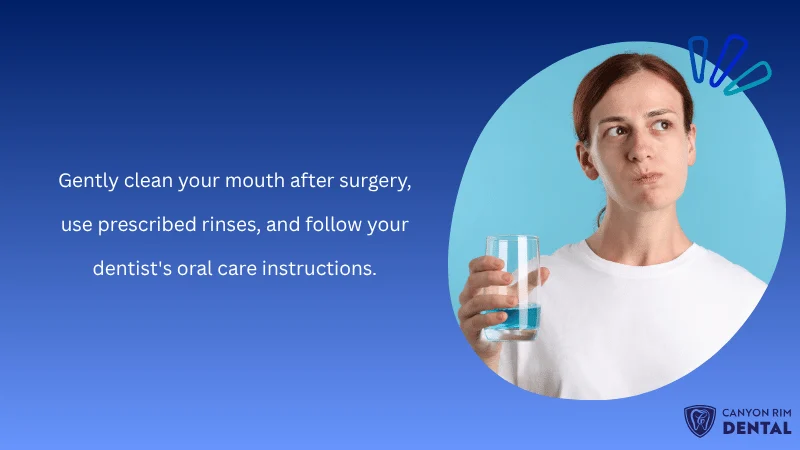
You must keep your mouth clean, but you need to do it gently.
For the first 24 hours, avoid brushing directly over surgical areas. After that, use a soft toothbrush and clean around your temporary prosthesis with light pressure. Do not scrub.
Rinse with a prescribed antimicrobial rinse or warm salt water starting the day after surgery. Let the liquid fall out of your mouth. Do not spit forcefully.
A water flosser can help clean under a full-arch implant, but wait until your dentist says it is safe. Many offices provide specific steps in their post-operative instructions for fixed implant bridges.
Follow those directions closely.
Good hygiene reduces swelling and lowers infection risk. Clean gently but consistently.
When to Resume Light Activities
Rest is not optional during the first three days. Your body needs energy to heal.
Avoid exercise, bending, or heavy lifting. Increased heart rate and blood pressure can trigger bleeding or swelling.
If you are wondering, “when can I exercise after all-on-x?” the answer is simple for the first 72 hours: do not.
You may walk around your home and do light daily tasks. Move slowly when standing up. Keep your head elevated when resting, including during sleep.
Taking it easy now helps prevent setbacks and supports smooth healing.
Potential Risks and How to Recognize Complications
Most people heal without problems, but you should know what is normal and what is not. Early action protects implant stability and lowers your implant failure risk.
Signs of Infection to Watch For
Some swelling and mild bleeding are normal in the first 72 hours. Infection looks different.
Watch for:
- Fever over 100.4°F
- Swelling that gets worse after day three instead of better
- Thick yellow or green discharge
- A bad taste that does not go away
- Severe throbbing pain that does not improve with medication
You may also notice redness that spreads along the gums or face. This can point to a developing infection around the implants.
If infection spreads to the tissue around the implant, it can lead to peri-implantitis. This condition damages the bone that supports your implant.
Bone loss during early healing can affect implant integration, which is when the bone fuses to the implant surface.
Call your surgeon right away if symptoms increase instead of improve.
Preventing Implant Failure Risk
The biggest risk in the first 72 hours is too much pressure on the implants. Your bone needs time to bond to the titanium surface.
Avoid:
- Chewing hard or crunchy foods
- Touching the surgical area with your tongue or fingers
- Smoking or vaping
- Skipping prescribed medications
Even small movements can affect early implant stability. This movement is called micromotion, and it can interfere with proper healing.
If you had bone grafting along with your All-on-X procedure, protecting the area is even more important. Grafted bone needs time to settle and connect with your natural bone.
Follow your soft food plan exactly. Rest with your head elevated. Keep follow-up visits so your dentist can check early signs of implant complications before they become serious.
Common Early Complications
Some issues are uncomfortable but not dangerous. Others need quick care.
Common early problems include:
- Swelling that peaks on days two or three
- Bruising along the jaw or under the eyes
- Minor oozing of blood
- Tightness in your jaw muscles
These usually improve with rest, ice packs, and medication.
More serious complications include heavy bleeding that does not slow after firm pressure for 20–30 minutes, numbness that does not fade, or sudden movement of your temporary bridge.
If your prosthesis feels loose or your bite shifts suddenly, contact your office. Movement can affect implant integration during this critical stage.
Pay attention to changes in pain, swelling, and function. Your body often gives clear signs when something is not right.
Setting the Stage for Long-Term Success
The first 72 hours protect your implants, but the next few months determine how well they last. Your choices during healing directly affect bone integration, stability, and the strength of your final teeth.

Osseointegration and Implant Integration
After surgery, your jawbone begins a process called osseointegration. This is when the bone grows and bonds tightly to each implant post.
You cannot see this happening, but it is critical for long-term implant success. Without strong bone integration, implants can loosen or fail.
Osseointegration usually takes 3 to 6 months. During this time, your implants must stay stable. Too much pressure can cause tiny movements that interrupt healing.
To protect integration, focus on:
- Eating a soft-food diet
- Avoiding hard, crunchy, or sticky foods
- Not chewing directly on the implant area unless instructed
- Following all-on-x aftercare instructions carefully
Even if your temporary teeth feel secure, your implants are still healing underneath. Patience during this phase protects your final prosthesis later.
Transitioning From Temporary to Final Prosthetic Teeth
You leave surgery with a fixed temporary bridge. Your temporary teeth let you smile and speak right away. However, they are not your final prosthetic teeth.
After osseointegration is complete, your dentist replaces the temporary bridge with a final prosthesis, often made from zirconia or another durable material.
These final teeth are stronger, more precise in fit, and designed for long-term function.
Before placing the final prosthesis, your dental team checks:
- Implant stability
- Gum health
- Bite alignment
- Overall healing
This step ensures your final teeth fit properly and distribute bite forces evenly across all implants.
Keys to Long-Term Implant Success
All on x treatment does not end when you receive your final teeth. Long-term implant success depends on daily habits and regular dental care.
You must clean around your implants every day. Use tools your dentist recommends, such as:
- A soft toothbrush
- Non-abrasive toothpaste
- Water flossers or implant floss
Professional cleanings and exams are also essential. Your dentist monitors bone levels, checks the prosthesis, and tightens components if needed.
Lifestyle choices matter too. Smoking, uncontrolled diabetes, and teeth grinding can reduce implant lifespan.
When you protect your bone integration, maintain strong hygiene, and attend follow-up visits, you give your implants the support they need to function well for many years.
Frequently Asked Questions
During the first 72 hours, you will deal with swelling, soreness, diet limits, and careful cleaning. You also need to know what is normal and what signs mean you should call your surgeon.
How much swelling and bruising is normal in the first few days after full-arch dental implant surgery?
Swelling usually peaks between 24 and 72 hours after surgery. Your cheeks and jaw may look puffy, and your face can feel tight.
Bruising along the jaw or under the eyes is also common. It may turn purple, then yellow or green as it fades over the next week.
Mild bleeding or blood‑tinged saliva during the first day is normal. Continuous bright red bleeding that does not slow down is not normal and needs a call to your surgeon.
Many post‑op guides explain that swelling and bruising during the first 24 to 72 hours are part of the body’s normal response to surgery.
What kind of pain or soreness should I expect, and what medications are typically recommended?
You can expect soreness similar to having several teeth removed at once. The discomfort often feels like pressure and aching rather than sharp pain.
Pain is usually strongest on days one and two. It should slowly improve after that.
Many surgeons prescribe stronger pain medication for the first few days, then switch you to over‑the‑counter options like ibuprofen or acetaminophen.
Some also suggest alternating medications to keep pain steady and controlled.
Take medication on schedule during the first couple of days. Do not wait until the pain becomes intense.
What can I eat and drink during the first 72 hours, and why do some surgeons recommend avoiding dairy?
Stick to liquids and very soft foods for the first three days. Choose protein shakes, broth, smoothies, yogurt, pudding, mashed potatoes, and scrambled eggs.
Avoid crunchy, chewy, or hot foods. Heat can increase bleeding, and hard foods can stress your temporary teeth.
Some surgeons ask you to avoid dairy for a short time. They believe dairy may thicken saliva or upset your stomach when combined with pain medication. Always follow the specific diet plan your surgeon gives you.
How should I clean my mouth and care for the temporary teeth during the first few days?
Do not brush the surgical areas on the first day unless your surgeon tells you to. You can gently rinse with a prescribed mouthwash or warm salt water after 24 hours.
Keep your temporary teeth in place. You should not try to remove them.
After the first day, use a soft toothbrush and clean gently around the teeth, avoiding heavy pressure near the gumline. Good hygiene lowers your risk of infection and supports healing.
Many surgeons also stress resting and limiting activity during this period, as explained in these post-operative instructions for a fixed implant bridge (All-on-X).
When should I call my surgeon—what warning signs of infection or complications should I watch for?
Call your surgeon if you have heavy bleeding that does not slow with pressure. Also call if swelling keeps getting worse after day three instead of improving.
A fever over 101°F, pus, a bad taste that does not go away, or severe pain that does not improve with medication are warning signs. Numbness that does not fade after many hours should also be reported.
Trust your judgment. If something feels wrong or different from what your surgeon described, it is better to call and ask.
How long does the procedure and immediate recovery appointment process usually take from start to finish?
The surgery itself often takes a few hours, depending on whether you treat one arch or both. You will spend extra time before and after for check‑in, sedation, and instructions.
Plan to be at the office for several hours on surgery day. You will need someone to drive you home.
Many practices schedule a short follow‑up visit within the first week to check healing and adjust your temporary teeth. These visits are usually much quicker than surgery day.