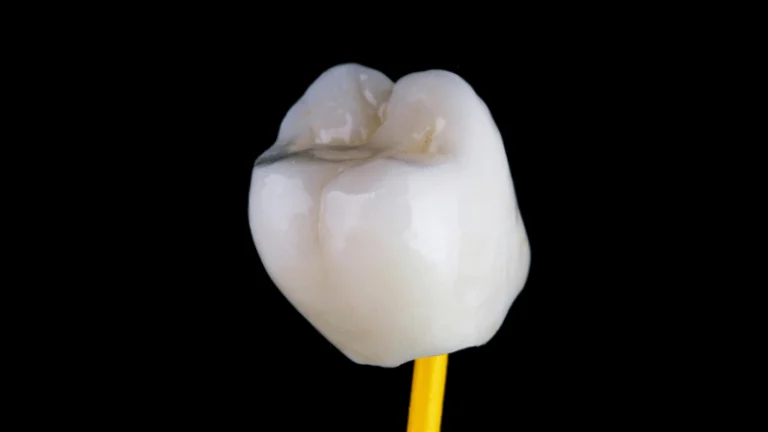

When comparing veneers vs bonding for chipped tooth repair, the best choice depends on the size of the damage, your budget, and how long you want the repair to last.
For a healthy tooth with a minor chip, bonding is the faster and cheaper repair, while a veneer makes more sense when the damage is larger or you want a longer-lasting cosmetic upgrade.
Both repairs can look great, but they’re built differently, cost differently, and ask different things about your natural tooth.
If you just chipped a front tooth, you’re probably weighing two questions at once: how fast can this be fixed, and what will it cost?
Dental bonding is generally the more affordable option and can often be completed in one appointment, sometimes in under an hour.
Porcelain veneers typically cost more because they require custom fabrication and usually take two appointments.
The right call depends on how much of your tooth is actually missing, whether the chip is purely cosmetic, and how much you want this fix to last.
Key Takeaways
- Bonding is the faster, cheaper first option for a small, healthy chip and usually takes one visit.
- Veneers cost more and need at least two visits, but resist stains better and often last longer.
- Pain, sensitivity, or a bite that feels different after the chip are reasons to get an exam before choosing a cosmetic fix.
Which Fix Is Faster and Cheaper for a Small Chip?
Dental bonding wins on speed and price for most small chips. It uses tooth-colored composite resin applied right onto the tooth, shaped by hand, and hardened with a curing light, all in a single visit without a lab involved.
Veneers take longer and cost more because they’re custom-made. A dentist shaves a thin layer of enamel, takes an impression, and sends it to a lab, which usually means a second appointment once the porcelain piece comes back.
| Dental Bonding | Veneer (Porcelain) | |
| Visits needed | 1 | 2, sometimes more |
| Enamel removed | Little to none | Thin layer, permanent |
| Relative cost | Generally more affordable | Generally more expensive |
| Stain resistance | Lower | Higher |
| Best for | Small to moderate chips | Larger or multiple chips, broader cosmetic goals |
When Is Bonding the Practical First Choice?
Dental bonding makes sense for a small corner chip, a rough edge, or a minor shape fix on a tooth that’s otherwise healthy.
It needs little to no enamel removal and usually no numbing, which is part of why it’s the dentist’s default suggestion for a first repair.
It’s also the lower-risk option if you’re not sure you want a permanent change. If the shade or shape isn’t quite right, bonding can be adjusted more easily than a cemented veneer.
When Might a Veneer Be Worth the Extra Time and Cost?
A veneer earns its higher price when the chip is large, the tooth needs a shape change, or you’re fixing more than one tooth and want a uniform look.
Porcelain veneers resists coffee, tea, and wine stains better than composite resin over time, which matters if you want a smile that stays bright with less upkeep.
Veneers also make sense when a dentist wants to correct color or minor alignment issues at the same time as the chip, something bonding on its own handles less predictably across multiple teeth.
How Much Will Each Repair Cost, and How Long Will It Take?
Dental bonding generally costs less than porcelain veneers because it uses composite resin and can often be completed in one appointment.
Veneers typically cost more because of the materials, tooth preparation, and custom fabrication involved.
The final cost depends on the size of the chip, the number of teeth being treated, and the type of restoration needed.
Bonding is usually completed in one visit, while traditional porcelain veneers often require two appointments. Composite veneers may also be completed in one visit, depending on the treatment plan.
What Happens During a Bonding Appointment?
Your dentist roughens the tooth surface slightly, applies a bonding agent, then builds up tooth-colored composite resin in layers.
Each layer is shaped by hand and hardened with a curing light before your dentist polishes the final result to blend with your other teeth.
The whole visit usually takes 30 to 60 minutes per tooth. You walk out the same day with the repair finished, no temporary piece and no waiting on a lab.
Why Do Porcelain Veneers Usually Take More Than One Visit?
The first visit is for preparing the tooth and taking an impression or digital scan. A dental lab then builds your custom veneer, which takes time, so you’ll wear a temporary veneer in between.
At the second visit, your dentist bonds the finished porcelain shell onto your prepared tooth and checks the fit and color match.
Some practices offer same-day milled veneers, though that’s a different material trade-off worth asking about directly.
What Happens to Your Natural Tooth?
Bonding adds material to your tooth without changing its underlying structure much, while a veneer involves shaving away a thin layer of enamel that won’t grow back.
This difference matters more than price when you’re deciding, because one choice is far easier to walk back than the other.

How Much Tooth Preparation Does Bonding Need?
Bonding needs very little tooth preparation. Your dentist lightly roughens the surface so the composite resin sticks, but doesn’t remove meaningful enamel.
Because so little of the tooth is altered, many dentists treat bonding as a reasonable first step, especially on a young or otherwise healthy tooth.
If you’re unhappy with the result later, bonding can often be adjusted, repaired, or replaced. However, removing the resin may affect some enamel, depending on how the original repair was placed.
Does a Veneer Require Permanent Enamel Removal?
Yes, in most cases. A traditional porcelain veneer needs room to sit against the tooth, so your dentist typically removes about 0.5 millimeters of enamel from the front surface.
Once that enamel is gone, it doesn’t come back. That tooth will need a veneer or similar restoration going forward.
Some no-prep veneer systems reduce how much enamel is removed, so it’s worth asking your dentist whether that’s an option before committing.
Which Repair Will Hold Up Better?
Porcelain veneers generally resist stains and wear better than composite bonding, though neither material comes with a guaranteed lifespan.
How long either one actually lasts depends heavily on your bite, your habits, and how the repair was placed.
How Do Chips, Stains, and Repairs Compare?
Composite resin used in bonding is more porous than porcelain, so it can pick up stains from coffee, tea, and red wine over the years.
It’s also softer than porcelain, which means a bonded edge is somewhat more likely to chip again under hard biting.
Porcelain is harder and non-porous, so it holds its polish and color longer. Composite veneers, which use the same resin as bonding, sit in between: more affordable than porcelain but still prone to surface stain over time.
If a bonded repair does chip, your dentist can usually patch or polish it chairside. Minor damage to a porcelain veneer may sometimes be repaired, while larger chips or fractures may require replacing the veneer.
Does Your Bite Change the Recommendation?
Yes. A tooth that takes extra pressure from an edge-to-edge bite, grinding, or nail-biting is more likely to chip again no matter which repair you choose.
A dentist may suggest a bite adjustment or a nightguard alongside the cosmetic fix, since placing a repair into the same bite pattern that caused the chip tends to invite another one.
Protecting the repair from everyday wear is part of making it last, whichever material you pick.
When Does a Chipped Tooth Need More Than a Cosmetic Fix?
A chipped tooth needs a dental exam, not just a cosmetic repair, when there’s pain, lingering sensitivity to hot or cold, or a visible color change in the tooth.
These signs suggest the damage may go deeper than the enamel, and covering it with bonding or a veneer without checking first can mask a bigger problem.

Which Symptoms Call for a Dental Exam Before Choosing?
Sharp pain when biting, lingering sensitivity to hot or cold foods, or a tooth that has darkened since the injury are all reasons to schedule a dental examination.
A deep fracture that reaches the nerve needs different treatment entirely, not a veneer placed over it.
A bite that suddenly feels different, or a tooth that feels loose, is also worth mentioning to a cosmetic dentist before moving forward. These aren’t reasons to panic, just reasons to get it looked at first.
How Do Your Other Smile Goals Affect the Choice?
If you’re also thinking about a gap between teeth, uneven edges, or a smile makeover involving several teeth, that changes which repair fits best.
Veneers are easier to coordinate across multiple teeth for a uniform color and shape, something harder to match consistently with bonding alone.
If your goals are broader than one chip, it’s worth discussing smile enhancement options for a single tooth or a fuller veneer process with your dentist before deciding on just one repair.
Choosing the Smallest Repair That Will Last

For most small front-tooth chips, bonding is the sensible starting point. It’s fast, costs less, and keeps your options open since it removes little to no enamel.
Save the veneer for when the chip is larger, involves more than one tooth, or when you want a result that resists stains for longer without regular touch-ups.
Either way, a quick exam first rules out a deeper crack or bite issue that a cosmetic fix alone won’t solve.
Frequently Asked Questions
What is the cheapest way to fix a chipped front tooth?
Dental bonding is usually one of the most affordable ways to repair a chipped front tooth. For very small chips, simple smoothing or polishing may cost less than bonding.
Your dentist can recommend the most suitable option after examining the damage.
Can a chipped front tooth be bonded in one visit?
Yes, bonding is typically finished in a single appointment lasting 30 to 60 minutes per tooth. Your dentist shapes and hardens the composite resin right then, so you leave with the repair complete.
Is bonding on a front tooth worth it?
Bonding is a solid choice for a small to moderate chip on an otherwise healthy tooth, since it’s fast, affordable, and removes little enamel.
It can pick up stains and may need touch-ups sooner than a veneer, so it’s worth asking your dentist how it will hold up given your bite and habits.
Can a veneer fix a chipped front tooth?
Yes, a porcelain veneer covers the entire front surface of the tooth and works well for larger or more visible chips.
It requires removing a thin layer of enamel and usually takes two visits, but it resists stains better than bonding over time.
Can a Badly Chipped Tooth Be Fixed With Bonding or Veneers?
It depends on how much tooth structure is damaged. Bonding or veneers may repair some chips, but a deeper fracture or a weakened tooth may require a dental crown or another treatment.
Your dentist will examine the tooth before recommending the right repair.