


When you lose a tooth, it might seem like something you can deal with later. Maybe the gap doesn’t show when you smile, or the cost of replacement feels overwhelming right now.
But waiting and considering tooth replacement options endlessly sets off a chain of changes in your mouth that start immediately and get worse over time.
Delaying tooth replacement can lead to jawbone loss, shifting teeth, bite problems, and long-term damage to your oral health.
Your jawbone needs the pressure from tooth roots to stay strong and healthy. Without that pressure, the bone starts to shrink away.
Meanwhile, the teeth around the gap begin to drift into the empty space, which throws off your bite and makes chewing harder.
The good news is that understanding what happens when you delay can help you make a better choice for your smile. Whether you lost a tooth recently or years ago, knowing the risks and your options puts you back in control of your oral health.
Key Takeaways
- Your jawbone begins to deteriorate immediately after tooth loss without the stimulation from a tooth root
- Surrounding teeth shift into the gap causing bite misalignment and making future replacement more difficult
- Early replacement with implants, bridges, or dentures prevents long-term oral health complications and preserves your natural facial structure
Table of Content
- How Delaying Replacement Impacts Oral Health
- Effects on Bite, Chewing, and Everyday Function
- Risks to Gum Health and Further Dental Complications
- Long-Term Consequences of Putting Off Tooth Replacement
- Tooth Replacement Options and Restorative Solutions
- Why Prompt Attention Is Essential for Lasting Oral Health
- Frequently Asked Questions
How Delaying Replacement Impacts Oral Health
When you lose a tooth and don’t replace it, your mouth starts to change in ways that affect both function and appearance.
The jawbone begins to shrink without the tooth root to stimulate it, and nearby teeth start to drift into the empty space.
Bone Loss and Bone Resorption
Your jawbone needs stimulation from tooth roots to stay healthy and strong. When you lose a tooth, the bone that used to support it starts to disappear through a process called bone resorption.
This bone loss after extraction can start within months of losing your tooth. The bone gradually shrinks because it no longer receives the pressure and stimulation it needs from chewing.
Over time, this creates less support for your neighboring teeth and can even change the shape of your face.
The good news is that you can still prevent bone loss with dental implants. Implants act like natural tooth roots and keep your jawbone active.
If you’ve already experienced significant bone loss, bone grafting can rebuild the foundation needed for an implant.
Shifting Teeth and Alignment Changes
Your teeth naturally want to fill empty spaces in your mouth. When you have a missing tooth, the teeth next to the gap will slowly drift, tilt, or rotate toward the opening.
This teeth shifting can create serious problems for your bite and oral health. As your teeth move out of position, they become harder to clean properly. This increases your risk of cavities and gum disease.
The shifting also affects how your upper and lower teeth fit together when you bite down. This can put extra stress on certain teeth and make chewing less efficient.
Over time, the misalignment might cause jaw pain or lead to additional tooth loss down the road.
Effects on Bite, Chewing, and Everyday Function
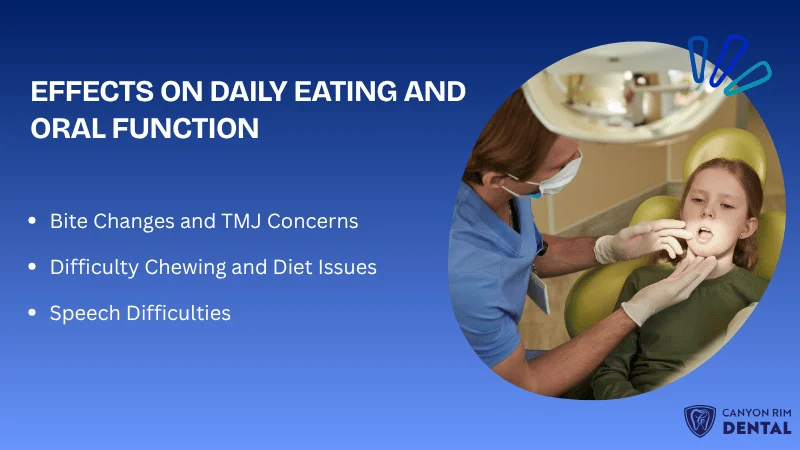
When you lose a tooth and don’t replace it, your mouth has to work harder to do basic tasks. Your bite alignment changes, making it tough to chew certain foods, and you might notice your speech sounds different.
Bite Changes and TMJ Concerns
Your teeth work together like puzzle pieces to distribute chewing force evenly. When one goes missing, the teeth around it start to shift into the empty space. This creates bite misalignment and can cause serious problems over time.
The shifting teeth throw off your entire bite pattern. Your jaw has to move in unusual ways to compensate. This puts extra stress on your temporomandibular joint (TMJ), which connects your jaw to your skull.
Over time, this strain can lead to TMJ disorder. You might experience jaw pain, clicking sounds when you open your mouth, or headaches. Some people develop muscle tension in their face and neck.
The longer you wait to address the missing tooth, the more pronounced these bite changes become.
Difficulty Chewing and Diet Issues
Missing even one tooth makes eating harder than you’d expect. You naturally avoid chewing on the side with the gap. This forces the other side of your mouth to handle all the work.
Foods that need a lot of chewing become off-limits. Crunchy vegetables, tough meats, and nuts get too difficult to manage. Many people start choosing softer, processed foods instead.
This shift can lead to poor nutrition since you’re missing out on fruits, vegetables, and protein-rich foods.
The difficulty chewing also slows down your meals. You might feel self-conscious eating in front of others. Food can get stuck in the empty space, which is uncomfortable and embarrassing.
Speech Difficulties
Your teeth play a bigger role in speaking than most people realize. They help your tongue form certain sounds correctly. When you have a gap, especially in the front of your mouth, it affects how air flows when you talk.
Certain letters become tricky to pronounce. The “s,” “th,” and “f” sounds often come out differently. You might develop a slight whistle or lisp. While back teeth matter less for speech, losing multiple teeth anywhere in your mouth can cause noticeable changes.
These speech difficulties can hurt your confidence in social and work situations. You might find yourself speaking less or covering your mouth when you talk.
Risks to Gum Health and Further Dental Complications
When you delay replacing a missing tooth, harmful bacteria can accumulate in the empty space, leading to gum inflammation and infection.
The gap also puts additional stress on your remaining teeth, which can trigger a chain reaction of dental problems throughout your mouth.
Gum Disease and Periodontal Risks
The empty socket left by a missing tooth becomes a trap for food particles and bacteria. These substances collect in the gap and along your gum line, creating the perfect environment for infection to develop.
Gaps in your teeth allow bacteria accumulation that leads to gum inflammation. This inflammation is the first among five stages of gum disease, also called periodontal disease. Your gums may appear red, swollen, or bleed when you brush.
If you don’t address this early gum disease, it can progress into more serious periodontal disease. The infection spreads deeper into the tissues that support your teeth.
This creates pockets between your gums and teeth where even more bacteria can hide.
Common signs of developing periodontal disease include:
- Persistent bad breath
- Tender or bleeding gums
- Receding gum line
- Loose teeth
- Pain when chewing
Increased Risk of Additional Tooth Loss
Your teeth naturally support each other in your jaw. When one tooth goes missing, the teeth next to the gap begin to shift and tilt toward the empty space. This movement changes how your teeth fit together when you bite down.
The shifting teeth can lead to bite issues that put uneven pressure on certain teeth. Some teeth end up working harder than they should, which weakens them over time. The extra stress can crack teeth or wear down their enamel.
Your opposing teeth (the ones that used to touch the missing tooth) also face problems. They can actually grow longer or drift out of position because nothing is there to stop them.
This process, called super-eruption, makes these teeth more vulnerable to decay and gum problems.
The combination of gum disease and misaligned teeth creates a cycle that threatens your remaining teeth. Patients can experience further tooth loss when gaps remain unfilled for extended periods.
Long-Term Consequences of Putting Off Tooth Replacement
Waiting months or years to address a missing tooth creates problems that extend beyond your mouth. Your face can change shape, your confidence may suffer, and future dental work becomes more difficult and expensive.

Facial Structure and Appearance Changes
When you lose a tooth, your jawbone starts to break down because it no longer receives stimulation from chewing. This process, called bone resorption, can reduce bone density by up to 25% in the first year alone.
As bone loss continues, your facial structure gradually changes. Your cheeks may start to look sunken or hollow. The lower part of your face can appear shorter, making you look older than you are.
Your lips might lose their natural fullness and support. The skin around your mouth may develop more wrinkles or folds. These changes in facial structure and appearance happen slowly, so you might not notice them right away.
The gap itself affects how your smile looks. Even if the missing tooth is toward the back of your mouth, people may notice the empty space when you laugh or speak.
Emotional and Psychological Effects
A missing tooth can make you feel self-conscious about your smile. You might avoid smiling in photos or cover your mouth when you laugh. Social situations may feel uncomfortable or stressful.
Many people with tooth loss report feeling less confident at work or in personal relationships. You may worry about how others perceive you. Some people avoid certain foods in public because chewing feels awkward or embarrassing.
These feelings can affect your quality of life. You might turn down job opportunities or social invitations. The longer you wait to replace the tooth, the more these emotional effects can build up.
Complexity of Future Treatments
Delaying tooth replacement makes later dental work more complicated. Your remaining teeth shift into the gap, creating spacing problems throughout your mouth.
Your bite becomes misaligned, which affects how your upper and lower teeth fit together.
Bone resorption reduces the amount of jawbone available for dental implants. A restorative dentist may need to perform bone grafting before placing an implant, which adds time and cost to your treatment.
Neighboring teeth that tilted into the gap may need orthodontic work to move them back.
The complexity of future treatments increases significantly the longer you wait, sometimes requiring procedures you could have avoided with earlier intervention.
Tooth Replacement Options and Restorative Solutions
Modern restorative dentistry provides several effective solutions for replacing missing teeth, including dental implants, bridges, dentures, and bone grafting procedures.
Each option offers different benefits depending on your specific needs and oral health situation.
Dental Implants and the Implant Procedure
Dental implants are the most durable tooth replacement option available. They work by placing a small titanium post into your jawbone that acts like a natural tooth root.
The implant procedure usually happens in stages. Your dentist first places the implant post into your jaw during a minor surgery. Over the next few months, the implant fuses with your bone in a process called osseointegration.
Once healing is complete, your dentist attaches an abutment to the implant. A dental crown is then placed on top to complete your new tooth.
Benefits of dental implants:
- Prevent bone loss by stimulating the jawbone
- Don’t require grinding down healthy teeth
- Can last 25 years or longer with proper care
- Look and function like natural teeth
Dental Bridges: Pros and Cons
A dental bridge fills the gap left by missing teeth using crowns on neighboring teeth for support. The bridge consists of one or more artificial teeth held in place by dental crowns cemented onto the teeth on either side.
Traditional dental bridges require your dentist to reshape the adjacent teeth to fit the crowns. This means removing healthy tooth structure, which is a permanent change.
Pros of dental bridges:
- Faster treatment than implants
- Lower upfront cost
- No surgery required
Cons of dental bridges:
- Don’t prevent bone loss
- Neighboring teeth must be modified
- Typically last 10-15 years before replacement
Dentures and Partial Dentures
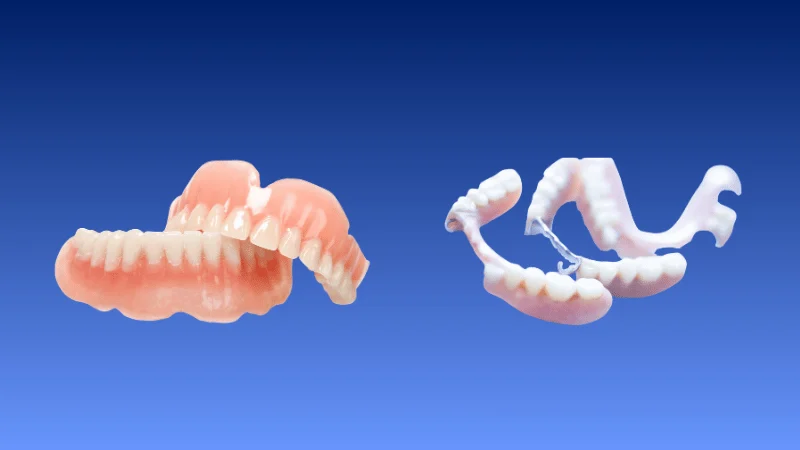
Dentures replace multiple missing teeth with removable appliances that sit on your gums. Partial dentures work when you still have some natural teeth remaining, while complete dentures replace all teeth in an arch.
Partial dentures use metal or plastic clasps to attach to your remaining natural teeth. Complete dentures rely on suction and dental adhesive to stay in place.
These options are usually the most affordable tooth replacement choice. However, they don’t stop bone loss and may need adjustments as your jaw changes shape over time.
Many people find dentures less stable than implants or bridges, especially when eating certain foods.
Bone Grafts and Advanced Procedures
Bone grafting rebuilds jawbone that has been lost due to missing teeth or extraction. This procedure is often necessary before getting dental implants if you’ve waited months or years to replace a tooth.
During a bone graft, your dentist places bone material into areas where bone has deteriorated. The graft material can come from your own body, a donor, or synthetic sources.
The bone graft needs several months to heal and integrate with your existing bone. Once the area is strong enough, your dentist can proceed with the implant procedure.
Techniques like bone grafting or sinus lifts can rebuild the foundation needed for implants even after significant bone loss has occurred.
Your restorative dentist will evaluate your specific situation to determine if these procedures are right for you.
Why Prompt Attention Is Essential for Lasting Oral Health
When you lose a tooth, acting quickly can protect your mouth from serious problems. Delaying dental care leads to more complications down the road.
Your jawbone needs stimulation from tooth roots to stay strong. Without this pressure, the bone starts to break down in just a few months.
The longer you wait to replace a missing tooth, the more bone you lose. This makes future dental work harder and more expensive.
A gap in your smile creates a domino effect in your mouth. The teeth next to the empty space start shifting and tilting. Your bite changes, which can cause jaw pain and uneven wear on your remaining teeth.
Here’s what happens when you put off tooth replacement:
- Bone loss begins within three to six months
- Adjacent teeth drift into the empty space
- Opposing teeth overerupt from lack of contact
- Your remaining teeth face increased stress and wear
- Gum disease risk rises around shifted teeth
Good oral health connects to your overall wellbeing. A restorative dentist can help you prevent bone loss and protect your smile with proper treatment.
The risks of delaying tooth replacement grow with each passing month. Your face may even change shape as bone loss continues. Taking action now saves you from bigger dental bills and more invasive procedures later.
Frequently Asked Questions
Missing a tooth creates questions about timing, costs, and health effects. Understanding what happens during delays helps you make informed choices about your dental care.
How long is it safe to wait before replacing a missing tooth?
There’s no completely safe waiting period when it comes to missing teeth. Changes to your jawbone and surrounding teeth can start within just a few months of tooth loss.
Short delays may not cause immediate problems, but the longer you wait, the more likely you’ll face complications. Your mouth starts adapting to the gap right away, which isn’t a good thing.
The best approach is to talk with your dentist soon after losing a tooth. They can create a timeline that works for your specific situation and budget.
What changes can happen to nearby teeth if a gap is left for too long?
Your teeth need each other to stay in the right positions. When one is missing, the teeth next to the gap will slowly drift or tilt toward the empty space.
The teeth above or below the missing tooth can also move. They may start growing into the gap because nothing is there to stop them. This shifting happens gradually over months and years.
These movements create crooked teeth and spacing problems. You might end up needing braces or other treatments to fix alignment issues that wouldn’t have happened if the tooth was replaced promptly.
Can leaving a missing tooth untreated affect my bite or jaw alignment over time?
Yes, your bite can become misaligned when teeth shift into the empty space. Your upper and lower teeth need to fit together properly when you close your mouth.
When teeth move out of position, they don’t connect the way they should. This can put extra pressure on certain teeth and cause uneven wear patterns.
Bite problems can lead to jaw pain, headaches, and trouble chewing. Some people develop issues with their jaw joint, which can be painful and difficult to treat.
Will my jawbone shrink if I don’t replace a missing tooth, and how quickly can that happen?
Your jawbone begins to shrink after you lose a tooth because it no longer gets the stimulation it needs from chewing. This process is called bone resorption.
The bone loss starts within the first few months and continues over time. The rate varies from person to person, but it’s a progressive problem that gets worse the longer you wait.
A shrinking jawbone can change the shape of your face and make you look older. It also makes replacing the tooth more complicated later on because there may not be enough bone left to support an implant.
Could delaying a tooth replacement make future treatment more complicated or expensive?
Waiting to replace a missing tooth often creates additional problems that cost more to fix. Patients who delay tooth replacement by 12 months or longer frequently require bone grafting, which adds $500 to $3,000 and four to twelve weeks of healing time.
Shifted teeth may need to be moved back into position before a replacement tooth can be placed. This adds time and money to your treatment plan.
The longer you wait, the more complex your situation becomes. What could have been a straightforward procedure might turn into multiple treatments spanning several months.
Is it harder to chew or speak clearly when a missing tooth isn’t replaced right away?
Missing teeth can definitely affect how you eat and talk. Where the gap is located makes a big difference in how much it impacts your daily life.
Front teeth help you pronounce certain sounds clearly. Missing front teeth can cause a lisp or make it hard to say words with S, T, or F sounds.
Back teeth do most of the work when you chew your food. When they’re missing, you might avoid certain foods or chew only on one side of your mouth. This puts extra stress on the teeth you’re using and can lead to more dental problems down the road.