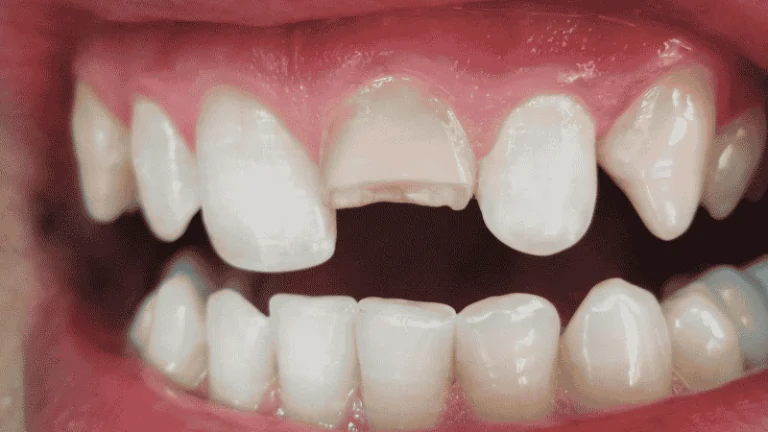


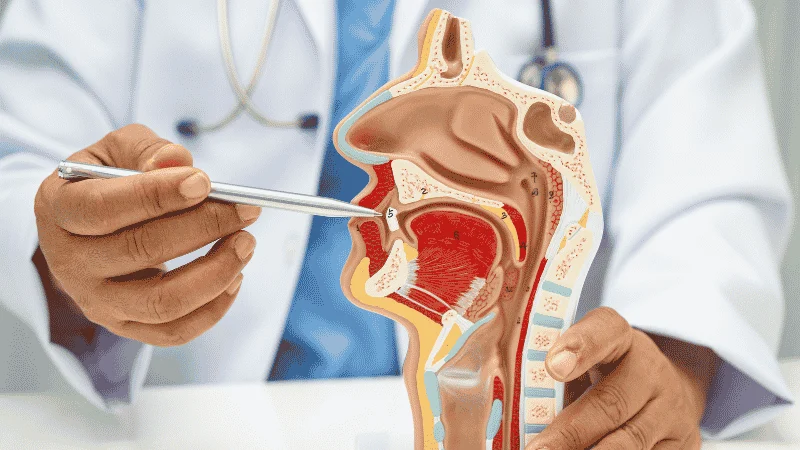
Your mouth does more than help you eat and speak. When gums become swollen and infected, harmful bacteria and inflammation can spread throughout your body and affect your heart, brain, and other organs.
The same bacteria that cause gum disease have been found in heart valves, brain tissue, and even cancer tumors.
Most people brush their teeth to prevent cavities and bad breath. But oral inflammation can trigger systemic health problems that reach far beyond your mouth.
Research shows connections between gum disease and serious conditions like diabetes, stroke, heart disease, and dementia.
Understanding the connection between oral inflammation systemic health helps you make better decisions about your dental care. Small changes to your daily oral hygiene routine can protect your gums and support your overall health.
Key Takeaways
- Inflammation from gum disease can spread bacteria and immune responses to other parts of your body
- Poor oral health is linked to increased risk of heart disease, stroke, diabetes, and other serious conditions
- Regular brushing, flossing, and dental checkups help prevent oral inflammation and protect your whole-body health
Table of Content
- The Fundamentals of Oral Inflammation
- How the Mouth-Body Connection Works
- Health Risks Beyond the Mouth
- Oral Inflammation’s Impact on Daily Life
- Proven Strategies to Prevent and Manage Oral Inflammation
- Frequently Asked Questions
The Fundamentals of Oral Inflammation
Oral inflammation starts with bacteria in your mouth and can range from mild gum irritation to serious infections that damage your teeth and bones.
Understanding what triggers this inflammation and recognizing early warning signs helps you protect both your mouth and overall health.
What Causes Inflammation in the Mouth
Plaque is the main cause of oral inflammation. This sticky film of bacteria forms on your teeth throughout the day.
When you don’t remove plaque through proper oral hygiene, the bacteria multiply and release toxins that irritate your gums.
Your oral microbiome contains hundreds of different bacteria types. Most are harmless, but some become problematic when they overgrow. Poor brushing and flossing habits allow these harmful oral bacteria to thrive.
Other factors that contribute to oral inflammation include:
- Smoking or tobacco use
- Diabetes and other health conditions
- Hormonal changes during pregnancy
- Certain medications that reduce saliva
- Poor nutrition and vitamin deficiencies
- Stress that weakens your immune system
When plaque hardens into tartar, it creates rough surfaces where more bacteria can attach. This starts a cycle of inflammation that gets worse without professional cleaning.
Acute vs. Chronic Oral Inflammation
Acute oral inflammation appears suddenly and usually resolves quickly. You might experience this after eating something that irritates your gums or from accidentally biting your cheek.
The redness and swelling typically go away within a few days.
Chronic oral inflammation develops slowly over months or years. Gingivitis is the earliest stage of chronic gum inflammation. Your gums become red, swollen, and may bleed when you brush.
At this stage, the damage is still reversible with better oral hygiene.
If gingivitis goes untreated, it can progress to periodontitis. This advanced gum disease damages the bone supporting your teeth.
The inflammation of periodontal disease can worsen inflammation in other parts of your body, creating serious health risks.
Warning Signs and Early Symptoms
Bleeding gums are often the first sign something is wrong. You might notice pink in the sink when you brush or floss. Healthy gums should not bleed during normal cleaning.
Early symptoms of gum inflammation include:
- Red or purple gums instead of healthy pink
- Swollen or puffy gum tissue
- Tenderness when you touch your gums
- Bad breath that doesn’t go away
- Gums that pull away from your teeth
As inflammation worsens, you may experience loose teeth, pus between teeth and gums, or pain when chewing. Your immune system releases cytokines to fight the infection, which actually increases inflammation in your mouth.
Don’t ignore these warning signs. Early treatment prevents minor gum inflammation from becoming serious periodontitis.
How the Mouth-Body Connection Works
Your mouth serves as a direct gateway to your body’s internal systems, and bacteria from gum disease can enter your bloodstream through inflamed tissue.
This creates a chain reaction that affects your heart, brain, and other organs through chronic inflammation.
Pathways Linking the Mouth to the Body
Your mouth connects to your body through several direct routes. When you have gum disease, the inflamed and leaky gum tissue allows bacteria to slip into your bloodstream.
Blood vessels in your gums provide the first pathway. Harmful bacteria like Porphyromonas gingivalis can travel through these blood vessels to reach distant organs.
Scientists have found these oral bacteria in heart valves, brain tissue, and even cancer tumors.
Your digestive and respiratory tracts offer another route. When you swallow saliva containing disease-causing bacteria, these microbes can affect your stomach and intestines.
Similarly, breathing in oral bacteria may lead to lung infections or pneumonia.
The nervous system also plays a role. Research suggests that certain oral bacteria might travel along nerve pathways to reach your brain, though scientists are still working to understand this mechanism fully.
Gum Disease and Systemic Inflammation
Gum disease triggers an immune response that doesn’t stay confined to your mouth. Your body detects the bacterial overgrowth in your gums and sends immune cells to fight the infection.
These immune cells release inflammatory molecules to combat the bacteria. While this inflammation helps fight infection locally, it can spread throughout your entire body when gum disease becomes chronic.
Your immune system stays on high alert, creating persistent systemic inflammation.
This ongoing inflammatory state affects multiple body systems. The inflammation can worsen existing conditions like diabetes and heart disease.
It may also contribute to new health problems by keeping your body in a constant state of defense.
Common conditions linked to oral inflammation:
- Heart disease and stroke
- Type 2 diabetes
- Alzheimer’s disease and dementia
- Pregnancy complications
- Certain cancers
The Role of Oral Bacteria in Overall Health
Your mouth contains hundreds of bacterial species, and most are harmless when balanced. Problems arise when harmful bacteria multiply and overwhelm the beneficial ones in your oral microbiome.
Bacteria associated with periodontal disease can colonize other parts of your body.
Research has identified oral bacteria in colorectal cancer tumors, breast cancer tissue, and the amyloid plaques found in Alzheimer’s patients’ brains. A specific strain of Fusobacterium nucleatum has been directly linked to tumor development in laboratory studies.
These bacteria may attract immune cells that contribute to plaque formation in your arteries. Over time, this arterial plaque can cause blockages leading to heart attacks or strokes.
The bacteria can also trigger inflammation that affects blood sugar control in people with diabetes.
Good oral care helps maintain a healthy bacterial balance. Regular brushing, flossing, and dental checkups reduce harmful bacteria populations and protect both your gum health and systemic health.

Health Risks Beyond the Mouth
Inflammation from gum disease doesn’t stay confined to your mouth. It can trigger systemic inflammation throughout your body, increasing your risk of heart disease, diabetes complications, respiratory infections, and pregnancy problems.
Cardiovascular Disease and Heart Health
Your oral health has a direct connection to your cardiovascular health. When you have gum disease, harmful bacteria from your mouth can enter your bloodstream through small injuries in your gum tissue caused by chewing or brushing.
Your immune response to these bacteria creates inflammation that can affect your blood vessels. Studies show that people with periodontal disease face increased risks of heart attacks and stroke.
The bacteria may get trapped in arterial plaque, while immune cells responding to the infection can promote plaque buildup on blood vessel walls.
This inflammation can be measured through markers like c-reactive protein in your blood. Over time, plaque buildup can block arteries or break off to form clots that travel through your bloodstream.
These traveling clots can lodge in arteries and cause heart attacks or strokes.
Research has found periodontal bacteria in heart valves removed during surgery, providing clear evidence of how mouth bacteria reach your cardiovascular system.
Diabetes and Metabolic Health
The relationship between gum disease and diabetes works both ways. If you have diabetes, high blood sugar levels can promote the growth of harmful bacteria in your mouth that cause periodontal disease.
At the same time, the inflammation from gum disease can make it harder for you to control your blood sugar levels. This creates a cycle where each condition makes the other worse.
Research from the 1980s found that people with diabetes were 15 times more likely to lose all their teeth compared to those without diabetes.
Your metabolic health depends on keeping inflammation under control. When you have active gum disease, the chronic inflammation can interfere with how your body processes insulin.
Studies show that treating periodontal disease may help improve blood sugar control in patients at high risk for diabetes, though more research is needed to confirm these benefits.
Respiratory Infections and Pneumonia
Bacteria from your mouth can be breathed into your lungs, especially while you sleep. This happens because your mouth serves as the physical opening to both your digestive and respiratory tracts.
When periodontal bacteria reach your lungs, they can cause respiratory infections or pneumonia. This risk is particularly high if you already have gum disease or poor oral hygiene.
The bacteria get inhaled in tiny droplets of saliva or through aspiration.
Your immune response tries to fight off these invading bacteria, but the inflammation this creates in your lungs can lead to serious respiratory problems.
People with existing lung conditions face even greater risks when oral bacteria enter their respiratory system.
Pregnancy Complications and Low Birth Weight
If you’re pregnant and have gum disease, you face higher risks of pregnancy complications.
Research has linked periodontal disease to preterm birth, low birth weight babies, and preeclampsia (a dangerous high blood pressure condition during pregnancy).
Scientists have found periodontal bacteria in human placentas, though exactly how these bacteria travel from your mouth to the placenta isn’t fully understood yet.
The inflammation from gum disease may trigger early labor or interfere with normal fetal development.
The systemic inflammation caused by oral bacteria can affect your entire body during pregnancy.
This widespread inflammatory response may explain why gum disease is associated with multiple pregnancy complications beyond just low birth weight.
Oral Inflammation’s Impact on Daily Life
Gum inflammation affects more than just your mouth. It can drain your energy, cause embarrassing symptoms like bad breath and loose teeth, and lead to serious health problems if left untreated.
Recognizing Effects on Energy and Well-Being
When you have a gum infection, your body fights inflammation constantly. This ongoing battle uses up energy that you’d normally have for daily activities. You might feel more tired than usual or notice it’s harder to focus at work.
The inflammation from periodontal disease keeps your immune system on high alert. Your body produces inflammatory signals that can raise your overall inflammation levels throughout your entire system.
This creates a drain on your resources that you may not even connect to your oral health.
Many people don’t realize their fatigue stems from their gums. You might think you just need more sleep or coffee.
But ongoing gum inflammation can elevate inflammatory signals that affect your whole body’s background inflammation levels.
Bad Breath, Loose Teeth, and Gum Recession
Bad breath is often the first sign something’s wrong with your gums. The bacteria causing inflammation produce smelly compounds that regular brushing can’t eliminate. This can affect your confidence in social situations and at work.
As gum disease progresses, you may notice your gums pulling away from your teeth. Gum recession exposes the sensitive roots of your teeth and makes them look longer. This creates pockets where more bacteria can hide and multiply.
Loose teeth happen when inflammation destroys the bone and tissue holding your teeth in place. You might notice teeth shifting position or feeling wobbly when you eat.
These changes can make chewing difficult and affect what foods you can comfortably eat.
Long-Term Consequences of Untreated Gum Disease
Ignoring gum inflammation puts your overall health at risk. Gum disease has been linked to other serious conditions and can make existing health issues worse.
The bacteria from your gums can enter your bloodstream and travel to other parts of your body.
Common health risks linked to untreated periodontal disease:
- Heart disease and stroke
- Type 2 diabetes complications
- Respiratory infections
- Pregnancy complications
Without treatment, healthy gums won’t return on their own. The damage to bone and tissue around your teeth becomes permanent.
You may eventually lose teeth, which affects your ability to eat nutritious foods and can impact your nutrition and quality of life.
Proven Strategies to Prevent and Manage Oral Inflammation
Protecting your gums requires consistent daily care, regular professional attention, and smart product choices. These three pillars work together to reduce harmful bacteria and keep inflammation under control.
Daily Habits for Healthy Gums
Your daily oral hygiene routine forms the foundation of inflammation prevention. You need to brush twice a day for two minutes using fluoride toothpaste to remove bacteria and strengthen your teeth.
Flossing is just as important as brushing. When you skip flossing, you leave bacteria between your teeth where your toothbrush can’t reach. This leads to plaque buildup that hardens into tartar and triggers gum inflammation.
Essential daily practices include:
- Brushing gently in circular motions along the gumline
- Flossing once daily to clean between all teeth
- Rinsing with water after meals when brushing isn’t possible
- Replacing your toothbrush every three months
Research shows that herbal remedies with antimicrobial and anti-inflammatory properties can complement traditional brushing and flossing.
Natural ingredients like clove oil and aloe vera may help reduce gum irritation when used alongside standard oral care.
Dental Checkups and Professional Cleanings
You can’t remove tartar at home once it forms. Professional dental cleanings every six months are necessary to maintain periodontal health and prevent inflammation from progressing.
During dental checkups, your hygienist removes plaque and tartar from areas you miss during daily brushing. Your dentist also examines your gums for early signs of inflammation before they become serious problems.
Regular visits help catch issues early. Gum disease triggers immune responses that can affect your entire body, so prevention through professional care matters for more than just your mouth.
Choosing the Right Oral Care Products

Not all toothpaste and mouthwashes work the same way. You should look for products with the ADA Seal of Acceptance to ensure they meet safety and effectiveness standards.
Choose fluoride toothpaste to prevent cavities and strengthen enamel. For maintaining oral health, soft-bristled toothbrushes protect your gums better than hard bristles that can cause irritation.
If you have sensitive gums or existing inflammation, ask your dentist about antimicrobial rinses.
Some products contain chlorhexidine or essential oils that reduce bacteria, though they may have side effects like temporary tooth staining or taste changes.
Frequently Asked Questions
Inflammation in your mouth can trigger serious health problems throughout your body, from heart disease to diabetes complications.
Understanding the warning signs and prevention strategies helps you protect both your oral and overall health.
How can inflammation in the mouth affect your overall health?
When you have gum disease, the inflammation doesn’t just stay in your mouth. Bacteria from infected gums can enter your bloodstream and travel to other parts of your body.
Your immune system responds to these invading bacteria by ramping up inflammation. This response can worsen inflammation in other areas of your body and contribute to various diseases.
The bacteria from periodontal disease have been found in heart valves, brain tissue, and even cancer tumors.
Chronic inflammation and bacteria in your mouth can travel through your bloodstream, increasing your risk of heart disease, diabetes, respiratory infections, and other conditions.
Can gum disease increase the risk of heart problems or stroke?
Research has found clear links between periodontal disease and cardiovascular problems. People who had periodontal disease early in studies were more likely to have a heart attack later on.
Harmful oral bacteria enter the bloodstream through tiny injuries in oral tissue caused by chewing or dental procedures. Your immune cells detect these circulating bacteria and increase inflammation to fight them off.
If inflammation continues over time, immune cells may help form plaque on the inner walls of your blood vessels. This plaque can build up and cause blockages that lead to heart attacks or strokes.
Pieces of plaque can also break off and form blood clots that get stuck in arteries.
Studies have shown that cavities are associated with a 40% increase in stroke risk. The connection between oral health and heart disease is now recognized as a significant risk factor.
What are common signs of inflammation in the gums or mouth that you shouldn’t ignore?
Red or swollen gums are one of the first signs of inflammation in your mouth. Healthy gums should be pink and firm, not puffy or tender.
Bleeding when you brush or floss indicates gum inflammation. Your gums shouldn’t bleed during normal oral care routines.
Persistent bad breath can signal bacterial overgrowth and inflammation. Receding gums or teeth that appear longer than before suggest advancing gum disease.
You might notice pain when chewing or increased sensitivity to hot and cold. Loose teeth or changes in how your teeth fit together when you bite are serious warning signs that need immediate attention.
How can poor oral hygiene contribute to diabetes or make blood sugar harder to control?
The relationship between diabetes and gum disease works both ways. High blood sugar in people with uncontrolled diabetes can promote the overgrowth of bacteria that cause periodontal disease.
Periodontal disease treatment has shown to be beneficial for managing blood sugar levels in patients at high risk of diabetes. The inflammation from gum disease can make it harder for your body to control blood sugar levels.
People with diabetes are 15 times more likely to have lost all their teeth than those without diabetes. This makes periodontal disease one of the top six health complications from uncontrolled diabetes.
What are the most common oral diseases linked to chronic mouth inflammation?
Periodontal disease is the most significant oral condition linked to systemic inflammation. This disease affects about 47% of adults over age 30 in the United States.
Tooth decay affects about 90% of adults and can also contribute to inflammation. While cavities cause less widespread inflammation than gum disease, untreated decay can lead to serious infections.
Gingivitis is the early stage of gum disease where inflammation affects only the gums. If left untreated, it can progress to periodontitis, which damages the soft tissue and bone supporting your teeth.
Advanced periodontal disease creates pockets between your teeth and gums where bacteria thrive. These infections produce ongoing inflammation that affects your entire body.
What daily habits help prevent mouth inflammation and support whole-body health?
Brushing your teeth twice daily with fluoride toothpaste removes bacteria before they can cause inflammation. You should brush for two minutes each time, covering all surfaces of your teeth.
Flossing once a day removes food particles and plaque from between your teeth where your toothbrush can’t reach. Electric toothbrushes and water flossers can provide more thorough cleaning than manual methods.
Regular dental checkups and professional cleanings every six months help catch problems early. Your dentist can remove hardened plaque that you can’t eliminate at home.
Avoiding tobacco products significantly reduces your risk of gum disease and inflammation. A healthy diet low in sugar helps prevent both tooth decay and the bacterial overgrowth that leads to gum disease.
Drinking plenty of water throughout the day helps wash away food particles and bacteria.